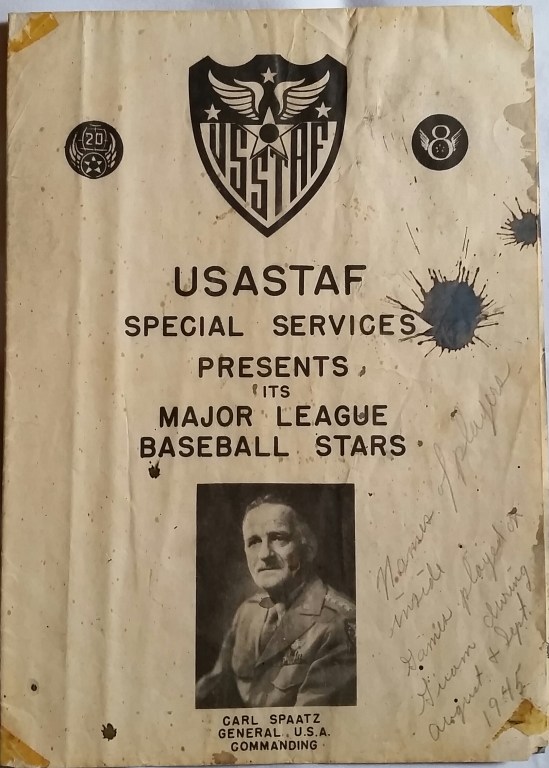
Keeping up with an authoring and publishing schedule for two historical artifacts sites (which includes researching) as a husband, father, home-owner and while working full-time (in an unrelated career-field) is, at a minimum, a challenge for me. I will be the first to admit that I am not exactly writing material that is of value to a broad audience (quite to the contrary, there are so few people actually interested in this area of history) and one cannot characterize this material at the same spectrum of “literature” as dime-store novels. However, I trudge along, if only for myself with the knowledge that I have created a body of work from which to build and draw upon to further my interest and passion as well as to maintain an easily-accessible resource to share with colleagues.
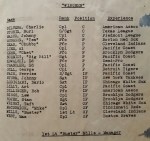
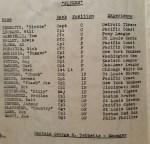
I recently published my fiftieth article on this site (yesterday, I published my 125th article on The Veteran’s Collection) which, for me is odd to ponder as I do not consider myself to be a writer. I digress. In reviewing the various articles that I have written, I start to realize that there is some imbalance regarding the topics that I have covered. I also have taken note of how difficult it can be to find certain articles (especially as I try to cross-reference or simply recall details about an artifact to be used to analyze another).
Most of my collection of baseball and military artifacts are carefully stored away from light (and sight) in order to protect them from decay and degradation as they age. The downside of their inaccessibility becomes readily apparent when the need arises to revisit an artifact for research leading or that I discover that I failed to properly photo-document for an article that I also failed to write. This article is the culmination of these points in that within the process of researching a recent acquisition for an upcoming Chevrons and Diamonds.org article, I realized that I was lacking some coverage pertaining to my growing collection of scorecards and programs from military baseball games.
A few months ago, I arrived at a realization that I had a need for comparative analysis of military jerseys (or uniforms in general) and trying to conduct such research across a sporadic span of articles was entirely ineffective. Not having a vehicle to create a study of details and features of each garment left me in struggling (nearly guessing) in the absence of documentation (both written and photographic) for each item that I own or have discovered but not acquired. I was prompted to create a section on this site to serve as place to capture all of the jerseys that I have encountered to provide myself and others with a reference library and so the Archive of Military Baseball Uniforms was born. My present circumstances in seeking details regarding my growing archive of scorecards and programs have led me to repeat these steps once again.

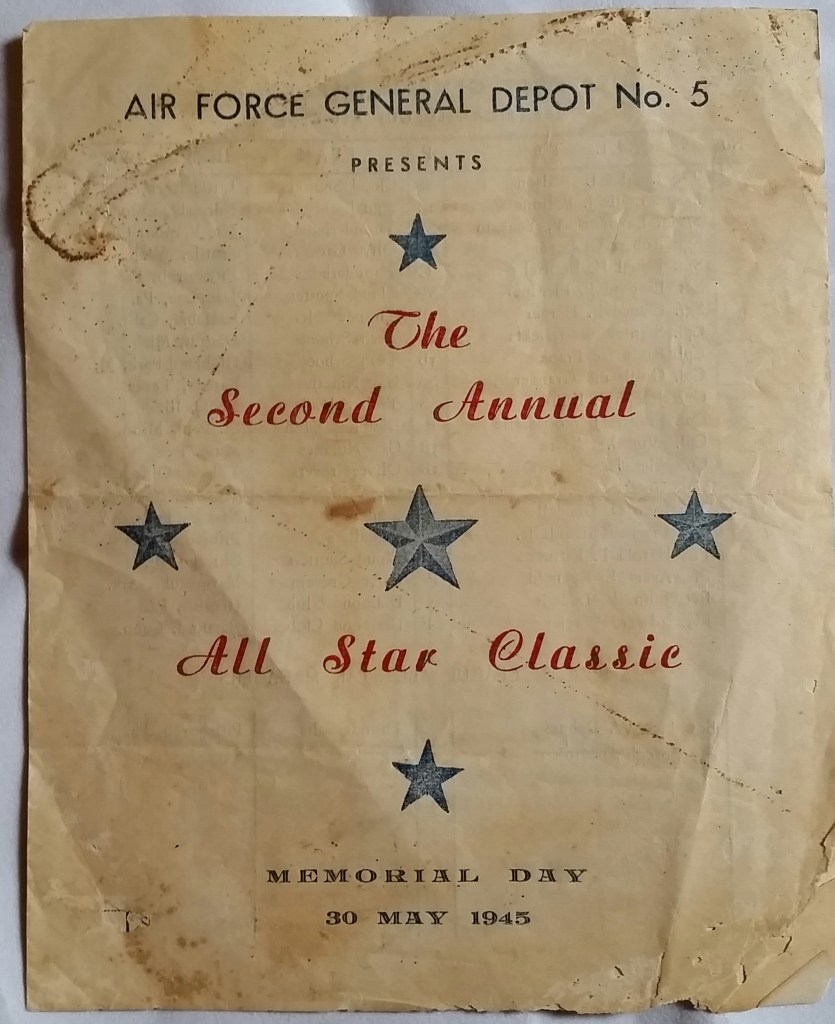
In the coming weeks, I will be creating another archive to showcase military baseball game programs, scorecards, roster sheets and scorebooks. In this area, I will provide images and scans of the documents and shining light onto the various details surrounding each in order to provide a source of research for folks seeking information on games and players. Tying together published articles to specific paper document will also provide context (photographs, details, game narrative or other artifacts from specific games) serving to tell a more complete story.
While searching for (and finding) the only European Theater (ETO) scorecard that I own, my recollection of another scorecard that might be useful in cross-referencing (I mistakenly thought it too was from the ETO) but quickly learned that I never researched, documented or photographed it (once I retrieved the actual piece from storage). The three that I had written about included only two that were from World War II (one is from a WWI-era Army versus Navy game) and the other three were of scorecards that I do not own (denoted below with an asterisk (*):
- Authenticating a Military Championship Baseball
- Third Army Championship Series, Nuremberg Stadium, September 1944
- Settling the Score Between the Army and Navy, Hawaii 1944
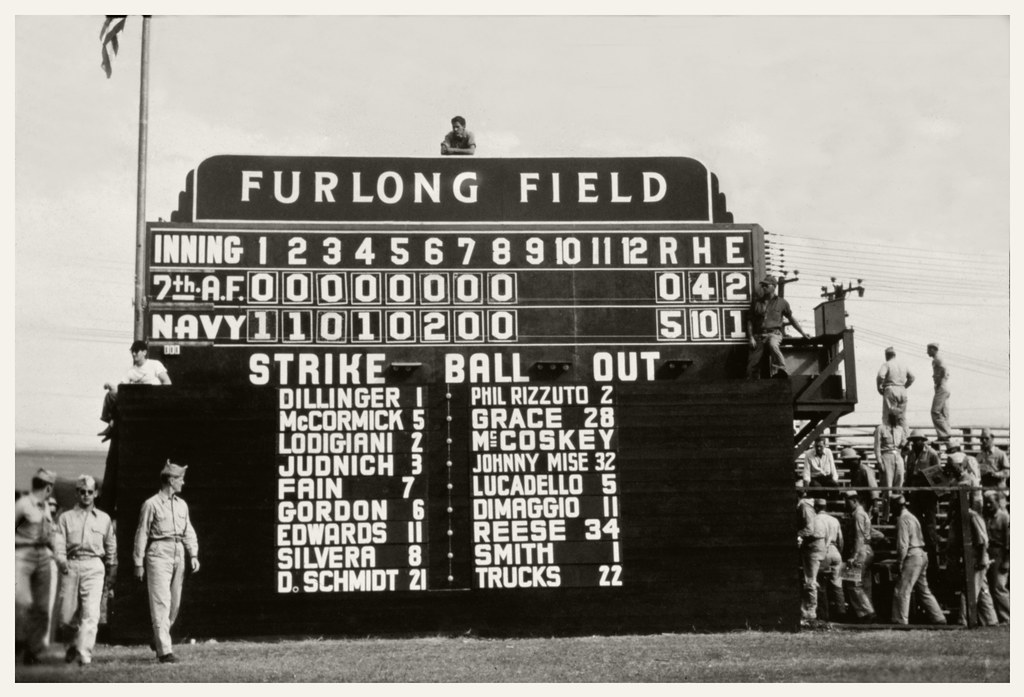
- October 1944 Army vs Navy All-Stars Championship Series – Hickam Army Air Force Base at Furlong Field
- Keeping Score of Major Leaguers Serving in the Pacific
- Navy versus Major League All-Stars: Weaver Field, Submarine Base, April 19, 1944*
- Army All-stars versus Navy All-stars: Hoolulu Park, Hilo, Hi, Friday October 6, 1944*
- Navy vs Army All-Stars| Fourth game in the Central Pacific Championship Series*
- Introducing “My” Inaugural Class of the “Military Baseball Hall of Fame”
- 1917 Army-Navy baseball game
In revisiting the above articles, it is very apparent that the creation of the scorecard archive will be invaluable for future reference and can serve to meet research needs. It may also help to prevent me from purchasing duplicate scorecards should subsequent versions surface as in my pursuit to establishing a substantial library of these scarce documents.
View the Library of Military Baseball Scorecards, Score-books and Game Programs now.


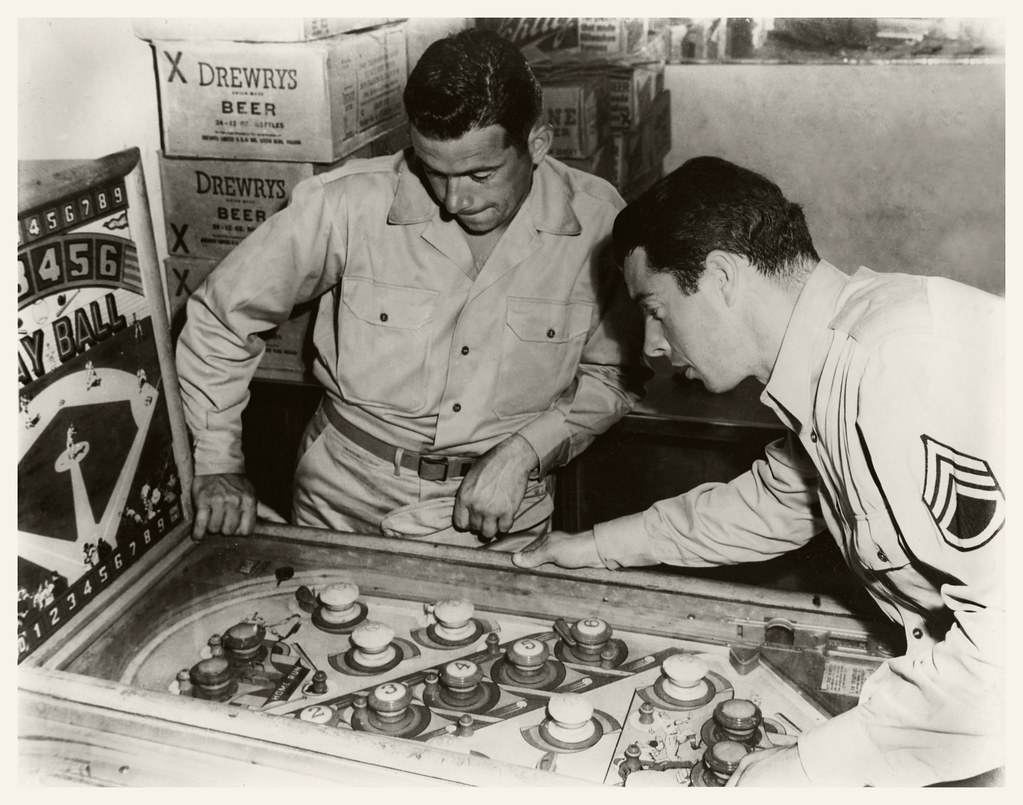
 Chevrons and Diamonds
Leave a reply to VetCollector Cancel reply