Last winter an inconspicuous, three-inch tall brass trophy with a four-inch diameter bowl was listed at auction and caught our attention after a colleague made us aware of the piece. The elementary listing description merely reflected the inscription on the side of the bowl and lacked any details regarding from whom the trophy was obtained.

An internet search was fruitless in revealing details about the “U.S. Navy Pacific Area Baseball ‘48” etched into the side of the trophy. Only one unsuccessful competing bid was already in play, and we were able to acquire the piece for a surprisingly low winning submission, superseding that of our auction opponent.
Once in hand, our research began in earnest. As many of our research projects can take weeks, months and in some cases years to uncover the sought-after details, we were prepared for a succession of dead ends and for the cup to remain merely an aesthetically pleasing artifact. Our search through digitized newspaper archives revealed details of the 1948 tournament named on the trophy along with the four participating teams. The team that won the Pacific Area Baseball Championship in 1948 was one that we have been quite familiar with for several years: the Pearl Harbor Submarine Base club.
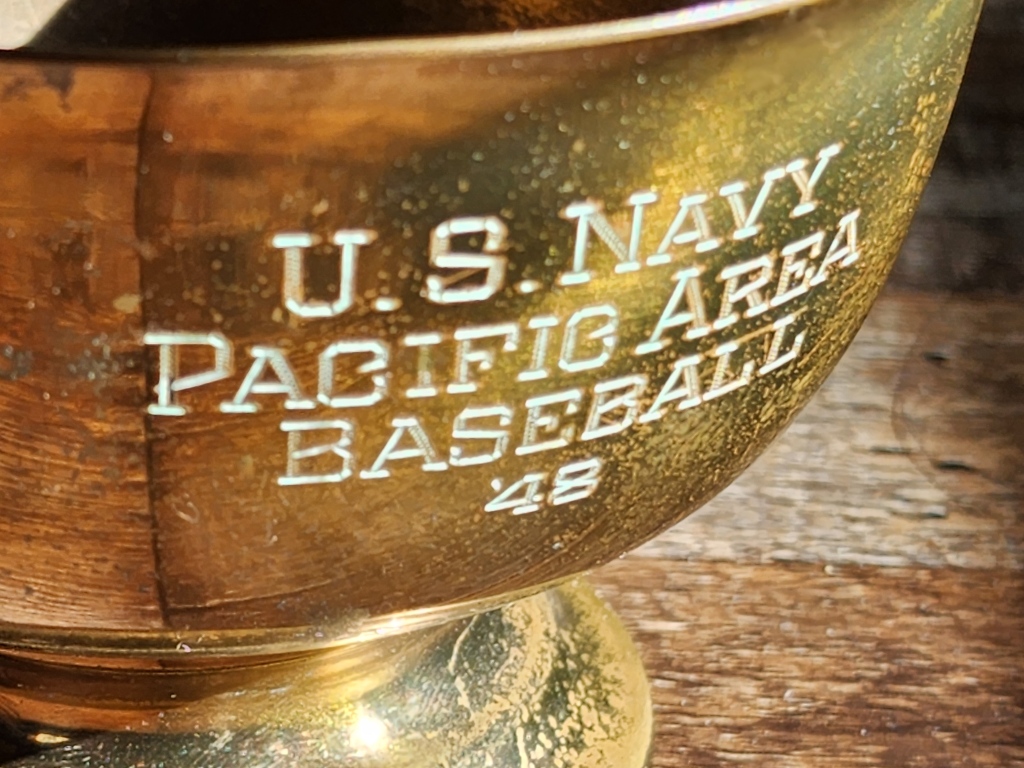
Until we acquired this trophy, our exposure to the Pearl Harbor subs was only as recent as the final season of World War II. Though we were previously aware that service baseball in Hawaii continued for decades after the 1945 season, the absence of artifacts precluded post-war investigation. The arrival of the trophy prompted our research into the 1948 Pearl Harbor Submarine Base club, the roster and the pathway to the championship played in San Diego.
We were wholly unprepared for the many intertwining stories with twists and turns, including one of the most bizarre naval legal cases we have ever encountered.
Pearl Harbor Submarine Base Diamond History
Beginning with the narrative of the Pearl Harbor ball team and the 1948 Pacific Area Navy Baseball Championship trophy truly would be akin to starting the story in the middle. To properly set the stage, the reader would be better served with an introduction to the Submarine Base’s baseball history.
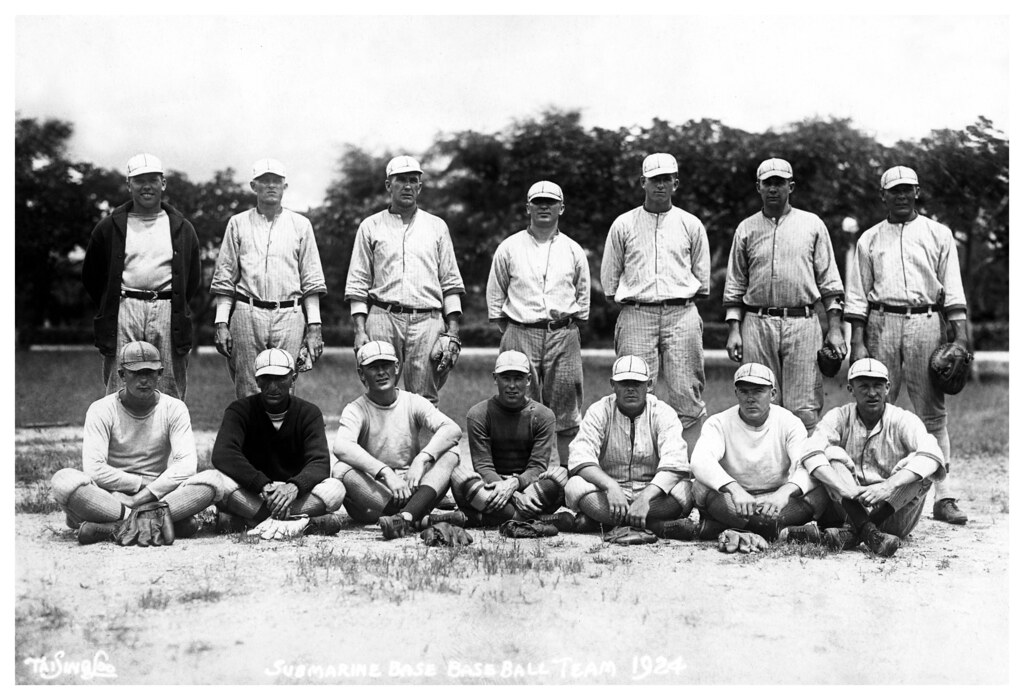
Dating back to the 1920s, the Pearl Harbor Submarine Base had fielded one of if not THE most successful service baseball team in the Hawaiian Islands.[1] Holding to their tradition of championship baseball carried over from World War II, the Sub Base continued their winning ways in the immediate post-war years. Prior to and during World War I, the submarine base fielded a competitive team despite the lack of a land-based home. One player, Henry “Dutch” Raffeis (pronounced “ray-fees”), played for the team as early as 1917 when the tender USS Alert served as the home of Pearl Harbor Submarine Base. Throughout his more than 25 years of naval service, Raffeis was a player on the team on-and-off through the 1934 season before retiring in October, 1934.
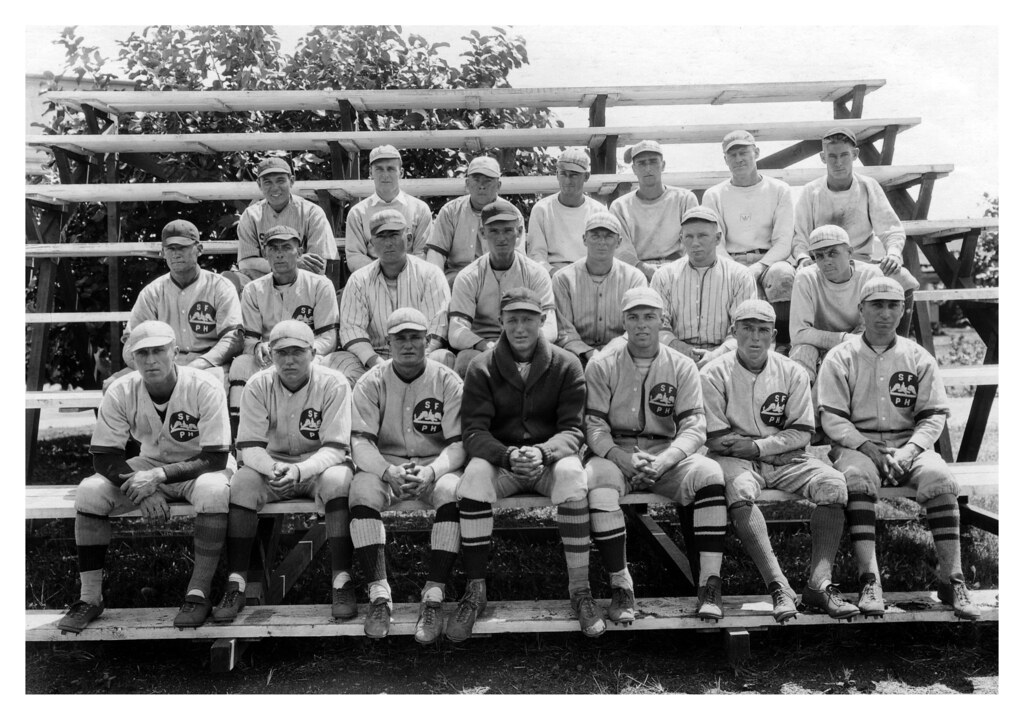
Henry “Dutch” Raffeis Pearl Harbor Submarine Base Experience:
| Year | Team | Rank | Position |
| 1916 | Pearl Harbor Sub Base/All-Navy | S1/c | SS |
| 1928 | Pearl Harbor Submarine Base | CTM | SS |
| 1930 | Pearl Harbor Submarine Base | CTM | 3B |
| 1931 | Pearl Harbor Submarine Base | CTM | 3B |
| 1933 | Pearl Harbor Submarine Base | CTM | CF |
| 1934 | Pearl Harbor Submarine Base – Subron Four | CTM | CF/Coach |
| 1941 | Pearl Harbor Submarine Base – Subron Four | CTM | Coach/Mgr. |
| 1942 | Pearl Harbor Submarine Base – Subron Four | CTM | Manager |
| 1943 | Pearl Harbor Submarine Base Dolphins | CTM | Manager |
| 1944 | Pearl Harbor Submarine Base Dolphins* | CTM | Manager |
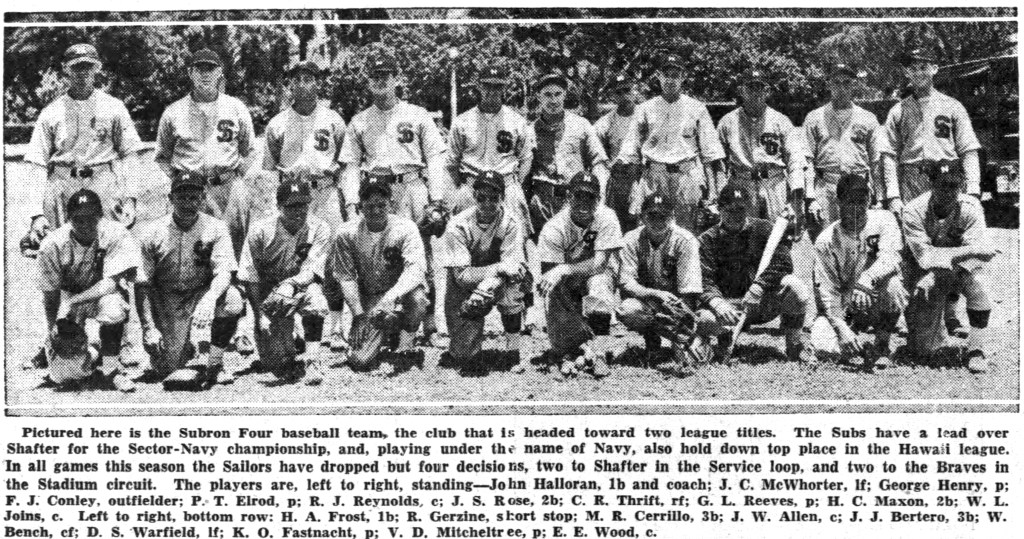
The Subs’ Greatest Season: 1935
The Sub Base club saw its biggest success in 1935 when it captured all three of the civilian and service championships. [2] Unlike many Navy ball teams, the 1935 Subs were a mixture of officers and enlisted men with Lieutenant junior grade Mario R. “Mike” Cerrillo[3] starring for the team at third base. After the 1935 season, second baseman Joe “Jo Jo” Rose left the Navy to play professionally for the Hawaii League’s Wanderers ball club before launching a successful career as a beloved radio personality. George “Nig” Henry began his Navy baseball career as a pitcher on the USS New Mexico (BB-40) in 1924, helping to win the Battle Fleet Championship in 1926.[4] Henry was a member of the Pearl Harbor Submarine Base nine from 1934 through 1944.

1935 Pearl Harbor Submarine Base “Subron Four:”
| Player | Position |
|---|---|
| Jack W. Allen | C |
| Bill Bench | CF |
| William “Willie and Hap” Bench | CF |
| James J. “Jimmy” Bertero | 3B |
| Mario R. “Mike” Cerrillo | 3B |
| Floyd J. “Ted” Conley | 3B/OF |
| P. T. Elrod | P |
| Karl O. “Blondy” Fastnacht | P |
| H. A. Frost | 1B |
| Rudolph “Dutch” Gerzine | SS |
| Paul “Lefty” Girard | P |
| John “Big Boy” Halloran | 1B/Coach |
| George “Nig” Henry | P |
| W. L. Joins | C |
| Homer C. “Bam” Maxon | SS/2B |
| James C. “MackSock” McWhorter | LF |
| Victor D. “Mike” Micheltree | P |
| G. L. Reeves | P |
| R. J. Reynolds | C |
| Joe S. “Jo-Jo” Rose* | 2B |
| Charles R. “Doc” Thrift | RF |
| S. Tyner | P |
| Davis “Smed” Warfield | LF |
| Erwin Edwin “Droopy” Wood | C |
Chief Pharmacist’s Mate Charles “Doc” Thrift transferred to the mainland for duty before finding his way back to Pearl Harbor by 1941. Doc was severely wounded during the December 7 attack and was medically evacuated to Treasure Island.[5] Doc Thrift recovered but suffered fatal injuries from an automobile accident in November 1943.[6]
War Comes to Pearl Harbor: 1941
Standing at the top of the United States Navy’s baseball mountain, two clubs faced each other to claim the title of Pacific Fleet Champion on the Island of Oahu. The local team, the “Dolphins” of the Pearl Harbor Submarine Base’s Submarine Squadron Four (SUBRON 4), piloted by the greatest baseball man in Navy history, Henry “Dutch” Raffeis, was set to face the “Indians” of the battleship USS Oklahoma (BB-37) on November 27, 1941.
USS Oklahoma “Indians” Championship Lineup:
| Rank | Player | Position |
|---|---|---|
| MM1/c | Paul P. “Busty” Bestudik | CF |
| “Swede” Carlson | P | |
| Sea1/c | Richard J. “Cavvy” Cavalluzza | |
| CSK | Harry Compton | Mgr. |
| Sea1/c | Kenneth Griffith | 3B |
| LT | William T. Ingram, II | 1B/Mgr. |
| MATT1c | Otis Johnson | LF |
| Knight[7] | LF | |
| F1/c | George W. “Matty” Matthews[8] | RF/P |
| WT1/c | Bernard E. “Pick” Pickett | RF/P |
| GM1/c | Lanie Clenton Quattlebaum | C |
| Rainier | C | |
| “Rosy” Riskosky | C | |
| Sea1/c | Glen J. Timmons | 2B |
| Sea1/c | James Richard Ward | SS |
Perennial champions of the service leagues, the 1941 Sub Base Dolphins were a powerhouse squad with pitching that could hold their own against any professional club. In the semi-finals earlier that day, the Subs downed the Navy’s cruiser division champions from the USS Northampton (CA-26). Against the USS Oklahoma, after the Dolphins fired the first scoring salvo in the bottom of the first inning to take a one-run lead, they carried a 3-1 advantage into the seventh frame.[9]
The Oklahoma’s batters were unfazed by the submariners’ pitching as the battlewagon’s big guns came out blazing in the top half of the seventh. Oklahoma’s first sacker, Derrell Ingram, led off with a solo home run over the right field fence. Not to be outdone, second baseman Glen Timmons, left fielder Knight, third baseman Kenneth Griffith, and pitcher “Matty” Matthews hit solo shots to put the battleship ahead, 5-3.[10]
1941 Pearl Harbor Submarine Base Subron Four:
| Player | Position |
|---|---|
| Jimmy Bertero | SS |
| Sam Bouiss | 1B |
| Karl Fastnacht | P |
| Bill “Red” Gerald | 2B |
| Bob Gettle | P |
| Griffith | |
| George “Nig” Henry | P |
| Bob Larsen | LF |
| Northcutt | LF |
| Henry A. “Dutch” Raffeis* | Coach/Mgr. |
| John Rogers | RF |
| Phil Simione | SS |
| Bill Stevenson | P |
| Frank Styczykowski | C |
| Warfield | LF |
| O. D. “Doc” Yarborough | Mgr |
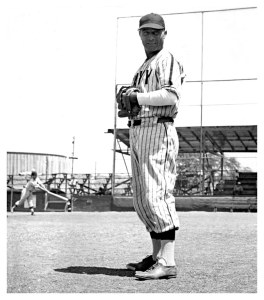
Trailing by two, the Subs were taking on water, but they were not yet out of the fight. The submariners, still on the offensive, answered the Okies with three runs in the bottom of the eighth to take a one-run lead into the top half of the final frame. Pitching in relief, George “Nig” Henry kept the big guns silent with no baserunners in the ninth and sealed the championship for the Dolphins.[11]
Any celebratory spirit that remained with the Pacific Fleet Champion Submariners was erased ten days later on a warm Sunday morning, just as morning colors were being raised throughout Pearl Harbor.
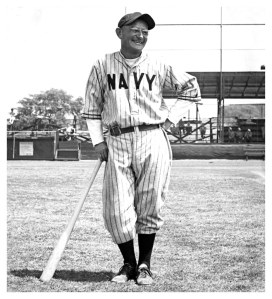
The Indians along with the rest of the crew were aboard Oklahoma as a pair of aerial torpedoes from the attacking Japanese naval air forces struck the ship on the port side. Minutes later, at 08:00, a third torpedo struck the already flooding warship. In mere minutes, the Oklahoma began to list to port on her way to capsizing. With the order given to abandon ship, Indians’ starting shortstop, Seaman First Class James R. Ward, who was 0-for-2 with a pair of walks in the championship game, remained in a turret with a flashlight to guide the gun crew out of the space to safety, sacrificing his own life for his shipmates. Of the nine Indians to play in the Pacific Fleet title game, Ward, who received the Medal of Honor posthumously,[12] was the only member of the team listed among the 429 killed or missing from the ship.
The United States’ entry into the global war brought about significant changes to the Hawaiian Islands which included service league baseball. The reigning Pacific Fleet champs lost their first eight games of the 1942 season, prompting the Navy brass to pull the plug on the Dolphins. Several of the islands’ units did not field teams but baseball returned with a vengeance in 1943, especially for the Pearl Harbor Submarine Base.
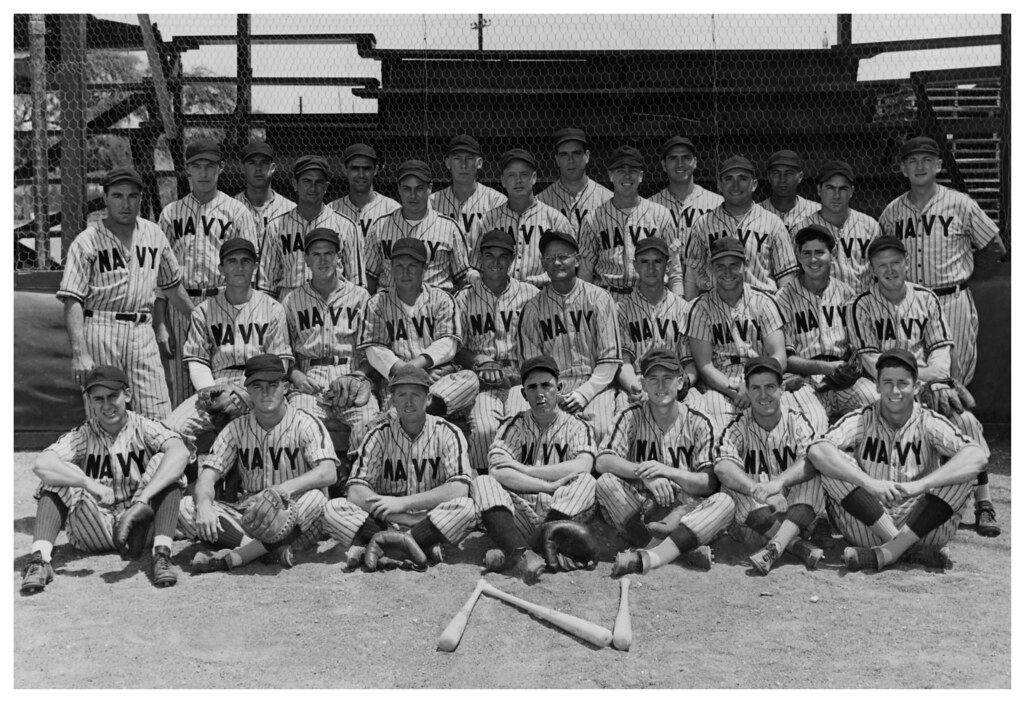
The 1943 through 1945 seasons saw the Pearl Harbor Submarine Base club’s rosters loaded with former professional ballplayers including major leaguers. As Pearl Harbor Navy Yard workers labored to salvage the USS Oklahoma, refloating and uprighting the stricken vessel, its new team took to area diamonds, managing a 1-16 season. The Oklahoma was the only Navy warship to field a team on the island through the end of the war,[13] with Oahu becoming the epicenter of exciting baseball that outpaced the game in the States.
“Home Alive by ’45”
In the months following the Japanese surrender, the major and minor leaguers on the roster of the 1945 14th Naval District (14th ND) champion[14] Submarine Base Dolphins were transferred back to the mainland. Gone were former big leaguers Joe Glenn, Charlie Gilbert, Bob Harris, Rankin Johnson, Lynwood “Schoolboy” Rowe, Bob Scheffing, Ken “Ziggy” Sears, Lou Tost, and Stanley “Packy” Rogers.
1945 Pearl Harbor Submarine Base “Dolphins”
| Player | Position | Former |
|---|---|---|
| Jim Adair | P | Semi-Pro |
| “Eggie” Brown | OF | Semi-Pro |
| Jack Buick | IF | St. Mary’s College |
| Neil Cline | P | Lynchburg (VIRL) |
| Gordon Evans | 2B | Charleston (MATL) |
| Charley Gilbert | OF | Cubs |
| Joe Glenn | C | Kansas City (AA) |
| Joe Greene | P | |
| Robert A. “Bob” Harris | P | Athletics |
| John “Hubie” Jeandron | 3B | Port Arthur (EVAN) |
| A. Rankin Johnson | P | Athletics |
| Bob “Lee” McCorkle | C | Valdosta (GAFL) |
| J. T. McDonough | Ath. Officer | |
| Don Meyers | OF | Peoria, IL |
| Mike Plecan | IF | Semi-Pro |
| Stanley F. “Packy” Rogers | SS | Portland (PCL) |
| Lynwood “Schoolboy” Rowe | P | Tigers |
| Bob Scheffing | P | Cubs |
| Ken “Ziggy” Sears | 1B | Yankees |
| Bill See | P | (Tri State League) |
| Lou Tost | P | Braves |
“In the sticks in ’46”
In 1946, the Submarine Base’s roster reverted to an all-amateur configuration as was last seen in the 1941 season.
Despite the lack of former professionals, the Pearl Harbor submariners did not miss a beat and once again charged to the head of the Navy standings. By season’s end they captured yet another 14th Naval District crown with a 30-6 won-lost record. Standing in the way of the Submarine Base’s path to the overall service title were the “Klippers” of Naval Air Station Kaneohe Bay. [15]
The “Little World Series” against the Klippers was one of two service league semi-finals that determined which teams would oppose each other in the championship contests. Kaneohe took the first tilt in the three-game series. The submariners came roaring back to pull even with a 6-1 win in the second game on their home diamond, Weaver Field.[16] Ultimately, the Submarine Base’s season was over when Kaneohe prevailed in the final game to advance to face Naval Air Station Barber‘s Point.[17] For the “Dolphins, it was another offseason of substantial roster turnover as more World War II enlistments expired.
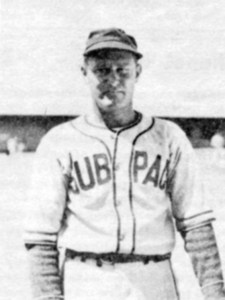
“Almost Heaven in ’47”
In his second year with the Submarine Base, starting pitcher Torpedoman Second Class John T. Quattlebaum emerged as a standout, capturing the Hawaii League crown for strikeouts (39).[18] The Sub’s hurler carried his team on his back from the mound throughout the season. Six years earlier, his older brother, Gunner’s Mate First Class Lanie Quattlebaum, was the star backstop for the USS Oklahoma Indians as they fell to the Submarine Base for the Pacific Fleet title. After capturing the 14th ND crown again, John’s team, like that of his brother, went down to defeat before reaching the Pacific Area title series and the coveted championship.
1947 Pearl Harbor Submarine Base (full season):
| Player | Position |
|---|---|
| Arthur F. Able | IF |
| Glen R. Bowser | OF |
| R. Branndon | RF |
| Norman F. Brey | OF |
| Raymond L. “Chappie” Chapman | C |
| Gordon Dosskey | 3B/Mgr. |
| K. L. Eddie | IF |
| R. Fabius | P |
| Bruno Fabris | P |
| Gates | RF |
| James Gelpi | 2B |
| John M. Glass | OF |
| Robert “Chubby” Groves* | P |
| Robert J. Haller | IF |
| Emil J. Herbert | IF |
| John Hidde | Mascot |
| W. J. Hines | Coach |
| Ernest “Pappy” Kirsch | 1B |
| Johnny M. Little | IF |
| “Big” Jim Livingston | C |
| J. Luckner | C |
| Robert Manning | RF |
| B. C. McQuire | Coach |
| Eddie Mogielski | 2B |
| Richard Myklebust | C |
| Howard Obergfell | SS |
| Arthur I. Page | P |
| Dennis E. Parkhill | IF |
| Robert N. Payton | P |
| Raymond Pegram | CF |
| John Thomas Quattlebaum | P |
| James Reaugh | LF |
| Earl Richmond# | 3B |
| Eugene D. “Gene” Rogers | IF |
| John Andrew Sigmon | OF |
| Hubert W. Smith | Mgr. |
| Albert Steel | UT |
| A. Szpiech | UT |
| E. Thomas | P |
| Louis Townes* | SS |
| Curtis C. Washington | P |
| S. White | P |
| Ray (Louie B.) Williams | LF |
| Noel E. Winfield | P |
The 1947 team captured the Navy title, defeating the Fleet Marine Force, but lost the Army-Navy championship series in the fifth and deciding game in 11 innings to the Schofield Barracks, 10-8. Having claimed the Navy titles on Hawaii and defeating Com 1st Task Fleet in the Hawaiian Area and West Coast Baseball Championship,[19] the submariners qualified for the Pacific Area Baseball Championship, a three-team, six-game round robin series, hosted at the newly renamed Weaver Field, now known as Millican Field on the Pearl Harbor Submarine Base. In the semi-final game of the series, the Naval Training Center team from San Diego eliminated the Pearl Harbor club to face the Guam nine for the title. The San Diego Navy team prevailed and took the Pacific Area trophy back to Southern California.[20]
14th Naval District Championship
The best-of-five series pitted the 32-10 Fleet Marine Forces Marines against the Pearl Harbor Submarine Base, which ended the season with the best won-lost record, 31-5, for the championship of the 14th Naval District. All games were played at the Submarine Base’s Millican Field. [21]
- August 5: Pearl Harbor Submarine Base won, 5-3.[22]
- August 6: Pearl Harbor Submarine Base won, 13-1.[23]
- August 7: Pearl Harbor Submarine Base won, 19-5.[24]
Hawaiian Area All-Service Army-Navy Championship
The winners of their respective service leagues, the Army’s Schofield Barracks Redlanders and the Pearl Harbor Submarine Base Dolphins, squared off in a best-of-five series for the Hawaiian Area All-Service Championship. Honolulu Stadium hosted the first two games with the Sub Base’s Millican Field hosting game three. If needed, Millican Field and Honolulu Stadium were slated to host games 5 and 6, respectively. [25]
- August 12: Dolphins, 5-2 at Honolulu Stadium.[26]
- August 13: Redlanders, 4-0 at Honolulu Stadium.[27]
- August 14: Redlanders, 12-5 at Millican Field.[28]
- August 15: Dolphins, 4-2 at Millican Field.[29]
- August 16: Redlanders, 10-8, in 11 innings at Honolulu Stadium.[30]
In the series, the Sub Base’s Bob Manning compiled a .429 average, hitting safely in all four games that he appeared in, including a 3-run home run in game 3.[31]
Hawaiian Area vs West Coast Fleet Baseball Championship Series
To determine which team would advance to the Pacific Area Championships, Pearl Harbor Submarine Base hosted the Com 1st Task Fleet championship nine from California. The best-of-three contest was held from August 21 through August 24 at Millican Field.
- August 21: Subs defeated Com 1st Task Fleet 3-2 in 10 innings.[32]
- August 22: Com 1st Task Fleet downed Pearl Harbor, 7-6.[33]
- August 24: Subs prevailed, 7-2.[34]
Pacific Area Baseball Championship Round Robin
“The three best teams in the Pacific Fleet and Ocean Areas meet for the Pacific Area Baseball Championship at the Pearl Harbor Submarine Base. The winner of the six-game round robin tournament will advance to the first-ever All-Navy Baseball Championship.” Don Collett, “Sub Base and Guam Teams Clash Today,” Honolulu Star-Bulletin, August 27, 1947: p.21.
- August 27: Sub Base defeated Guam, 5-3.[35]
- August 28: San Diego NTC defeated Sub Base, 5-4.[36][37]
- August 29: San Diego NTC defeated Guam, 4-3[38]
- August 30: Guam defeated Sub Base, 2-0[39]
- August 31: Sub Base defeated San Diego NTC, 6-5, in 15 innings.[40]
- September 1: Guam defeated San Diego NTC, 2-0. The two-round, six-game round robin ended in a tie, necessitating a third round.[41]
- September 2: Sub Base defeated Guam 7-2.[42]
- September 3: San Diego NTC defeated Sub Base, 6-3.[43]
- September 5: San Diego NTC defeated Guam, 9-2, to win the Pacific Area championship and advance to the All-Navy Baseball Finals.[44]
Indeed, 1947 was almost heaven for the submariners.
“Through the gate in ‘48”
Following the disappointing loss in the Pacific Area Championships, significant changes were afoot for the Submarine Base. It let go of the old “Dolphins” moniker in favor of “Sub Pac” and a substantial portion of the team departed.
High turnover for any championship-caliber club would pose a serious challenge in sustaining success but for the Pearl Harbor Submariners, they seemed unaffected. Seven veterans from 1947 remained on the roster including Quattlebaum, the star hurler, and Ray Williams, the team’s best hitter, who dominated opposition hurlers. In addition to Quattlebaum and Williams, returning were pitcher Noel Winfield, starting backstop Ray Chapman, centerfielder Ray Pegram and infielders Gordon Dosskey (third base), and Ernest Kirsch (first), leaving the base’s commanding officer, Captain Eliot Olsen, with lofty expectations, not only in service league competition but also within the civilian Hawaii League.[45]

“Michael “Lefty” Carper, Seaman, was born in Des Moines, Iowa, on 1 November 1925. He began playing baseball in junior high school. In November, 1945, he joined the Navy, and in 1946 he began his naval baseball career on the Naval Station team at Portland, Oregon. Carper reported to the Submarine Base and joined the Sub Pac team during the 1948 season.”[53]
“Elroy Kingsbury, Metalsmith Third Class, is a New Englander, having been born in Providence, Rhode Island on 25 August 1924. He played two years of high school baseball in Providence and then Joined the Navy in March, 1943. During the war, he continued his baseball aboard destroyers. He reported aboard the Submarine Base for duty in August 1947 — too late for the 1947 season — so this is his first season with the Sub Pac team.”[55]
“Ray Pegram, Fireman, was born in Princeton, Indiana, November 15, 1927. After playing three years in left field for a Princeton high school, he played in the Evansville War Plant League in 1945. Less than a year after his enlistment in 1946, he reported aboard the Submarine Base in March, 1947, since which time he has earned for himself the reputation among most of the ball fans in the Hawaiian area of being the most valuable outfielder in the islands.”[48]
“Bob Petinak, Seaman, was born in Dinuba, California, on the fourth of July, 1924. He began playing baseball at the age of 13 and played three years in high school. After enlisting in the Navy during the war and serving for twenty -nine months, he left the service, only to return in December, 1947. Petinak reported to the Submarine Base in March, 1948 and joined the Sub Pac team that season. Bob was picked by the Fourteenth Naval District as a member of the District All-Stars, to participate in the Navy Relief Charity game to be played at Navy Stadium on 6 June 1948.”[46]
“John Quattlebaum, Torpedoman Second Class, was born in Tucker, Arkansas, January 14, 1920. He went to school in Hornersville, Missouri, where played semi-pro ball for three years in the Northern Arkansas League, pitching for Blysville, Arkansas. Quattlebaum joined the Navy in October 1942, and reported to the Submarine Force in 1945. He pitched for the Sub Pac team in 1946 and 1947 and was one of the old faithfuls of the Sub Pac pitching staff. Among the records he has hung up so far while pitching for Sub Pac are the Strike-out Trophy last year in the Hawaii League and the Williams Equipment Company’s Most Valuable Athlete Award during the Army-Navy series last season.”[49]
“Robert Romero, Storekeeper Second Class, was born in Los Angeles, California, on 25 September 1927. After finishing high school, he joined the Navy in October of 1945. He had no baseball experience prior to reporting to the Submarine Base in June of 1946. Despite this fact, he has played throughout the current season with Sub Pac.”[51]
“Joe Rose, Chief Torpedoman, was born in Topeka, Kansas on 12 July 1917. He played high school baseball in Topeka, and then did not play anymore until after he joined the Navy in 1938. He has played the past several seasons with the Sub Pac team.”[54]
“Joseph Sellers, Boatswain’s Mate Third Class, is a native of Aulander, North Carolina, where he was born on 5 April 1926. With a background of high school baseball, he joined the Navy in November, 1943. He first reported to the Submarine Base in May, 1944 and played inter-departmental ball throughout his tour of duty. In 1946, he was transferred to Mare Island, but after a year there, he returned to the Submarine Base and joined the Sub Pac team during the current season.”[52]
“Ray Williams, Gunner’s Mate Third Class, was born in Dallas, Texas, on 24 November 1924. He played four years of high school baseball before entering the Navy in October of 1942. He saw considerable service on submarines during the war and has played for the Sub Pac team for the past three seasons.”[50]
“Noel Winfield, Torpedoman First Class, hails from St. Louis, Missouri, where he was born on 14 October 1920. He began his pitching career on the team of his alma mater, Beaumont High School. In October, 1942, Winfield enlisted in the Navy. During his subsequent service, he attended Mine Special Weapons School and reported to the Submarine Base in January in time to pitch for the Sub Pac team during the 1947 season. Winfield was one of the leading pitchers in the service league during the 1947 season, and so far this year he has shown much of his last season’s form. He, too, has been picked to play with the Fourteenth Naval District All-Stars in the Navy Relief benefit game at Navy Stadium on 6 June.”[47]
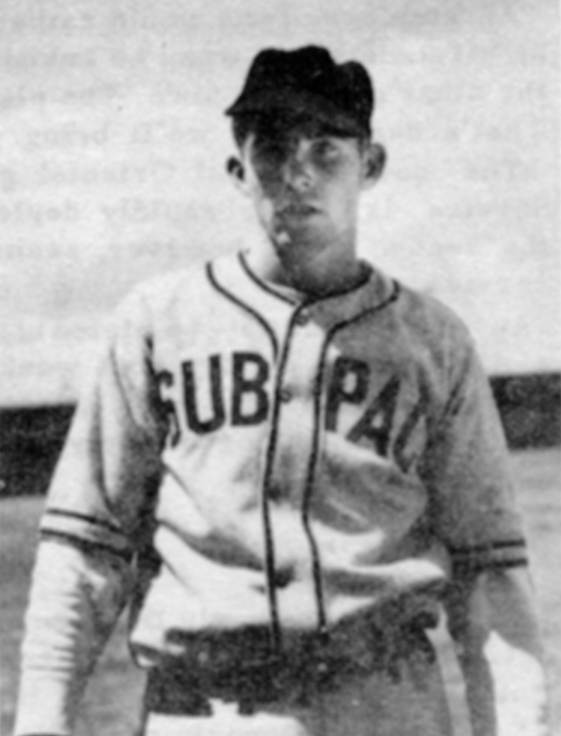
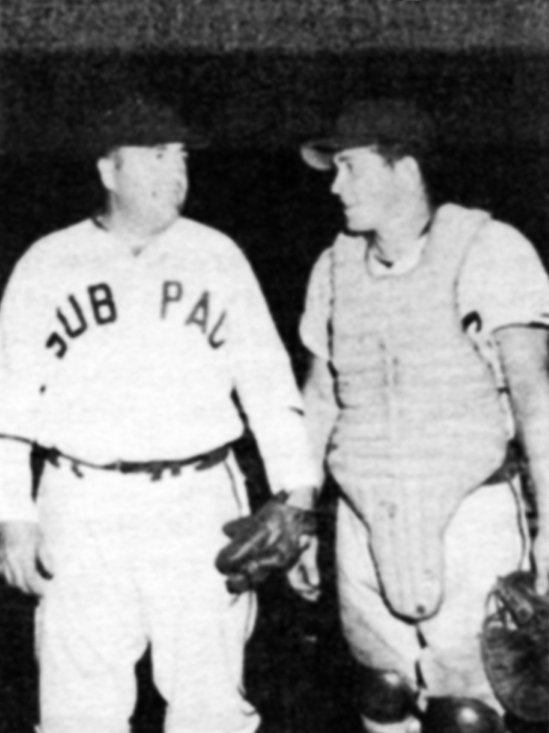
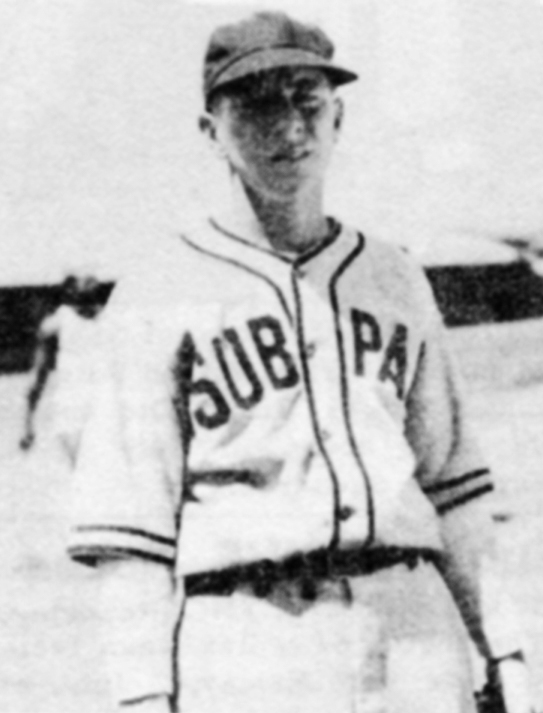
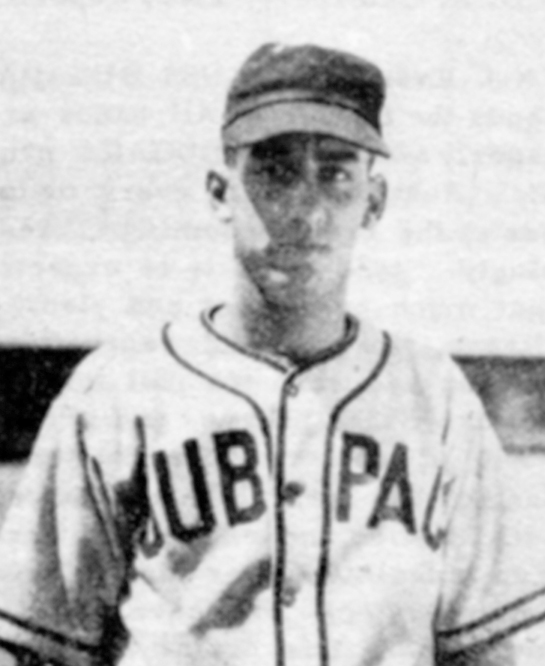
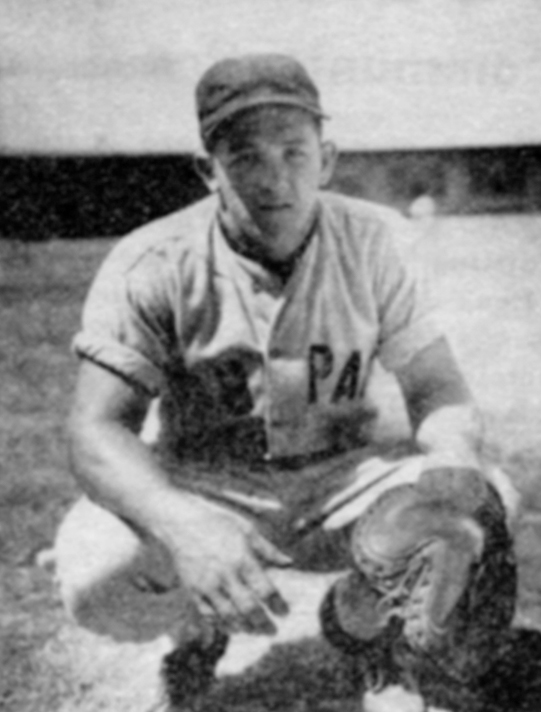

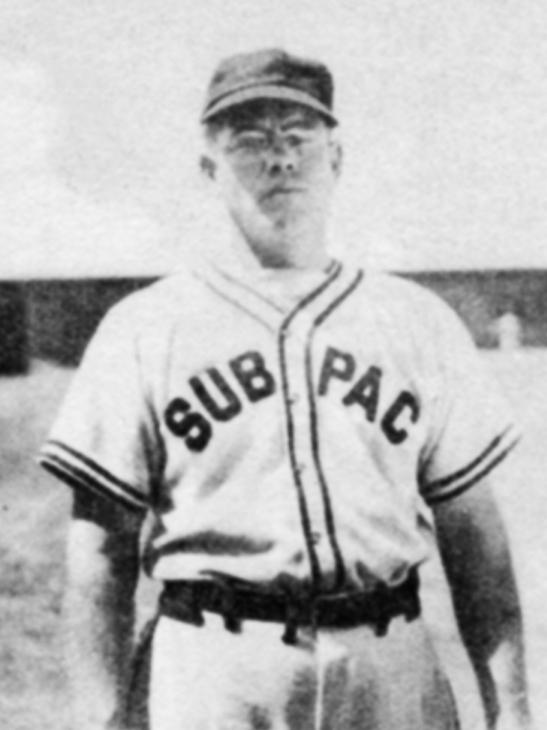
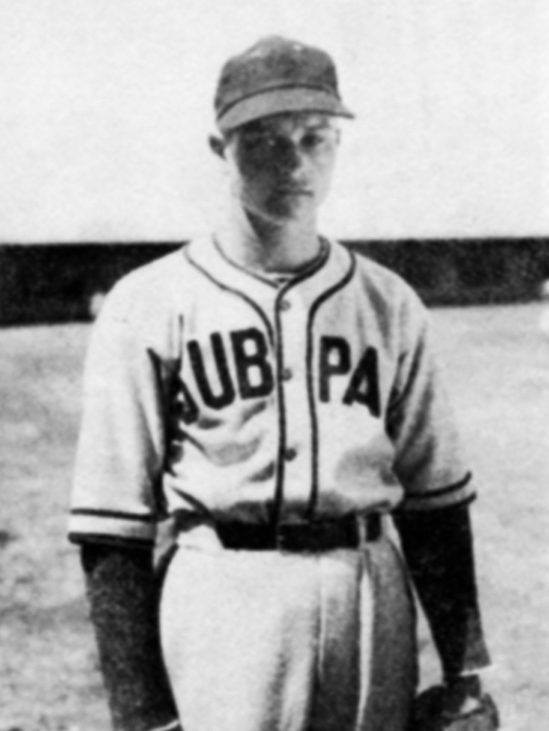
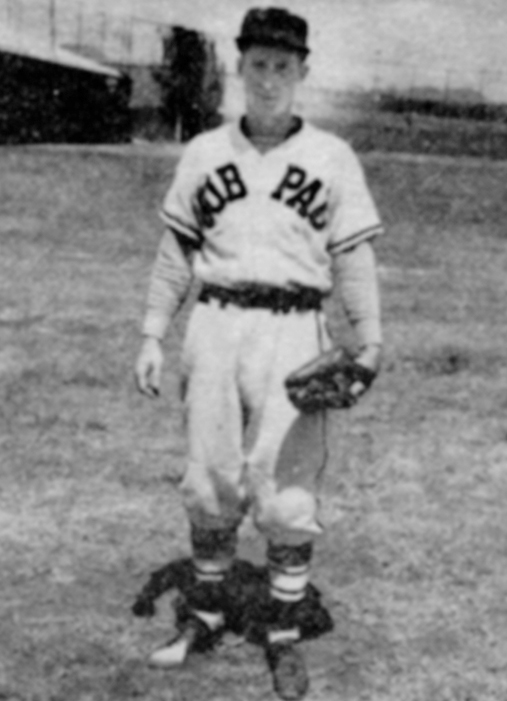
The Submarine Base nine dominated their league and nearly took down the perennial Army champion Schofield Barracks in the Hawaiian Area All-Service Army-Navy Championship. However, their performance in Oahu’s professional circuit, the Hawaii League, was poor and had been each season since the war ended and the major and minor leaguers were discharged from the service. The Sub Base team had finished at the bottom of the Hawaii League standings in the past two seasons, though hopes were high with the nucleus of the 1947 team returning.
“The last real good Navy ‘amateur team’ took the Hawaii League crown in 1935 with such stars as ‘Long’ John Halloran, manager,” the Honolulu Star-Bulletin’s Carl Machado wrote. “Joe Rose, now KHON sportscaster; Doc Thrift, Al Gerzine, Benny Scheruble, Nig Henry, Johnny Johnson, Jim Betero, Smokey Woods, Lefty Gerard, Bing Reynolds, Oomp McWharter, Willing Bench, Lefty Roberts,” Machado continued, referring to the Submarine Base club, excluding the war years when the rosters were filled with former pro players and the club did well in both service and Hawaii League play.[56]
From the start of the season in April, Sub Pac was at the front of the 14th Naval District League and remained in first through the final game in July. Hopes for a strong showing by Sub Pac in the Hawaii League were not met as the club finished at the bottom of the standings once again. Despite the team’s poor showing, pitcher John Quattlebaum and outfielder Ray had outstanding seasons. Williams outshone his 1947 season by hitting over .400 in the 14th Naval District League.[57]
With their third consecutive 14th Naval District Championship on the line, the submariners were set to face the Marines, also based at Pearl Harbor. Their playoff road to the title series saw the submariners take down the Navy League champion Klippers of the Naval Air Station Kaneohe Bay in the semi-finals with a 5-1 rout. The victor in the best-of-three series would win a berth in the 1948 Pacific Area Championships at San Diego, California.[58]
| Player | Position |
|---|---|
| Ray Artz | SS |
| Henry J. B. Baxter | 2B |
| Michael “Fritz” Carper | P |
| Raymond L. “Chappie” Chapman | C |
| Glenn Christie | P |
| Robert De Stefano | 1B |
| Gordon Dosskey | OF/3B |
| Lloyd Ellis | P |
| Charles Flanders | C |
| Sydney Frazier | C |
| Joe Gambaro | |
| John Graham | OF |
| Bill Holland | Mgr. |
| Hubert “Trader” Horn | Mgr. |
| Elroy “Arthur” Kingsbury | 3B |
| Ernest “Pappy” Kirsch | 1B |
| Johnnie Lancaster | 2B |
| Ernest Lovelock | OF |
| Nicholas Masciopinto | 3B |
| Dale McLain | P |
| Harry Monohan | SS |
| Raymond Pegram | OF |
| Garland Pendergrass | C |
| Bob Petinak | C |
| John Thomas Quattlebaum | P |
| John Reeder | OF |
| Robert Romero | 3B |
| Joe J. Rose | OF |
| Joe Sauvageau | SS |
| Joseph Sellers | P |
| Robert Shinkle | P |
| John Andrew Sigmon | OF/Asst. Mgr. |
| Fred Tauby | Assist. Mgr. |
| William Wilkins | 1B |
| Ray Williams | OF |
| Noel E. Winfield | P |
| Hugh Young | P |
| Dayton Gates$ | CF |
| Bob Myers$ | 1B |
| Robert “Chubby” Groves# | P |
| Lou Townes# | 3B |
| Walter Mezger* | 2B |
Italics denotes players loaned to Sub Pac following the 14th Naval District Championship. $-denotes Pearl Harbor Marines; #-Kaneohe Klippers; *-Barber’s Point.
Having fallen short of the Pacific Area crown again in 1947, the submariners were determined to prove they were the rightful owners of the title and were not about to let the Marines stand in the way of returning to the series to claim what they felt should have been theirs the previous year.[59]
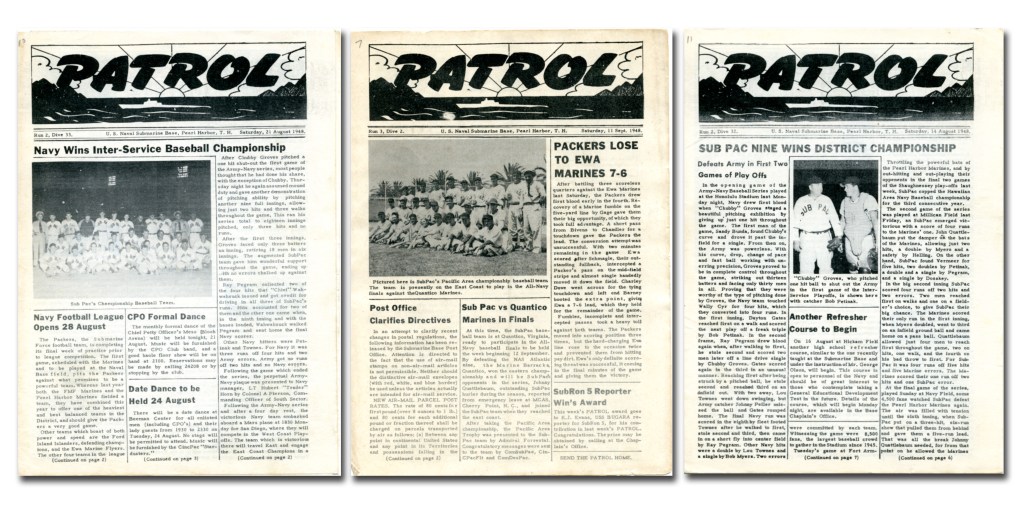
14th ND Semi Finals
The top four teams in the 14th ND standings clashed in a semi-final round to determine which two would face off in the district finals. The Pearl Harbor Marines and Naval Base clubs squared off at the Marines’ home park while Sub Pac played host to the Kaneohe Klippers at Millican Field.[60] Naval Base led throughout their game until the Marines came roaring back, plating two in the ninth to post an 8-7 victory. Kaneohe, on the other hand, proved to be no match for Sub Pac as they were routed, 5-1, setting the stage for the 14th Naval District Finals.[61]
14th ND Finals (best of three)
In the title series, the two clubs traded blows as the offensive output was more akin to a football game. The Pearl Harbor Marines prevailed in the end, 16-15, to take the lead. When the series shifted to Sub Pac’s home, they struggled against the opposing pitching, managing just four runs in the final two games. Sub Pac bludgeoned the Marines for 15 total runs in games two and three.
- August 2, Pearl Harbor Marines, 16-15, at Marines’ ballfield.[62]
- August 6, Sub Pac, 4-1, Millican Field.[63]
- August 8, Sub Pac, 11-3, Millican Field.[64]
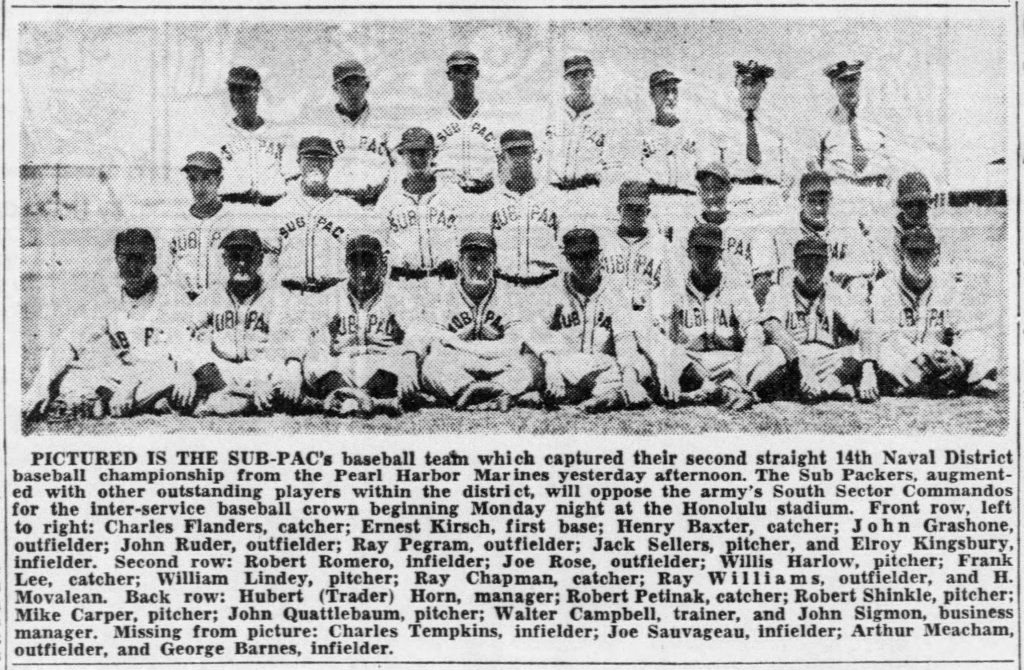
1948 Inter-Service Baseball Championship
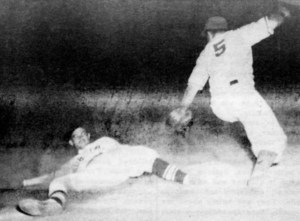
Capturing the Hawaii Navy baseball crown was just the beginning of Sub Pac’s quest for titles. The Army had their own champion in the Schofield Barracks Redlanders. Effectively a rematch from 1947, the submariners sought to exact revenge for the Game Five 11-inning loss to the Army’s best. This time things were different as Sub Pac took a two-game lead before the Redlanders chalked up a win in the best of five series. The Navy kept the Series from extending to a fifth game by handily defeating the Schofield Barracks, 5-2, in the fourth game.
- August 9, Sub Pac, 4-0, at Honolulu Stadium.[65]
- August 10, Sub Pac, 7-5, Millican Field.[66]
- August 11, Army, 10-2, Millican Field.[67]
- August 12, Sub Pac, 5-2, Honolulu Stadium.[68]
A Navy Criminal Investigation Casts Some Doubt
After defeating the Redlanders in Game 2 of the Inter-Service tournament, Submarine Base administrative personnel were preparing for the Sub Pac team to travel to San Diego for the upcoming Pacific Area Championship. In addition to making travel arrangements, Navy yeomen gathered service and pay records to facilitate a temporary duty transfer order for each team member.[69]
In attempting to access outfielder Ray William’s records, a problem was discovered. Williams’ service and pay records were missing. It was then that officials uncovered similarities between Ray Williams and a sailor, Seaman First Class Louie B. Williams, who was reported AWOL in July, 1945 and was declared a deserter in August of that year. The missing records for Louie B. Williams had been forwarded to Washington, D.C. in accordance with Navy procedures for deserters.
As the Navy made the announcement regarding the issue with EM3/c Ray Williams, questions circulated in the newspapers. “It has not yet been disclosed whether or not the baseball player has been at the sub base since 1945,” the Star-Bulletin reported. “If the deserter and the ballplayer are the same man, the investigation is expected to show how the sailor managed to get by for the past three years without records or pay accounts and be a starter on the team of the station from which he deserted.”[70]
As the Sub Pac team departed for San Diego, the Investigation into Williams’ status continued. Speculation swirled in the press after Navy officials announced that no further comments would be released during the investigation. “One Navy man said that the ball player was almost caught last year when he was up for transfer to Hilo,” the Star-Bulletin reported. “But he ‘begged off’ and his record was not checked.”[71]
Williams had played for the Submarine Base for the past two seasons and yet, “He evidently had no immediate commanding officer and no regular duty assignment,” the Star-Bulletin continued. Not only were there questions as to his status as an actively serving Navy enlisted man, but the teams who suffered losses at the hands of Sub Pac with a player who may have been ineligible to play might have upended the Hawaiian service leagues results.[72]
Pacific Area Baseball Championship (San Diego, CA)
As the drama with Seaman First Class Williams continued at Pearl Harbor, the Sub Pac team was engaged in yet another championship tournament in San Diego. The Pacific Area Championship series was a round robin competition as was done the previous year. Sub Pac was the only returning team represented in the series, with the Camp Pendelton Marines, Destroyers Pacific, and the China All-Stars squads all competing for the opportunity to play in the All-Navy World Series.
Working their way through the competition, it appeared the submariners were unmatched as they went undefeated through the tournament.
- August 24: Camp Pendleton defeated China All-Stars, 14-1.[73]
- August 24: PH Sub Pac defeated Destroyers Pacific (DesPac), 9-7.[74]
- August 25: Sub Pac defeated DesPac 7-3.[75]
- August 26: DesPac defeated China All-Stars, 8-2.[76]
- August 26: Sub Pac defeated Camp Pendleton Marines, 3-2.[77]
- August 28: Sub Pac defeated DesPac 5-0 to claim the championship.[78]
All-Navy World Series
The Sub Pac team had finally broken through, ascended to throne of the top Navy baseball team in the Pacific Area and moved on to the pinnacle of Navy baseball, the “All-Navy World Series.” The best-of-five series was played from September 15 through 20 and hosted at the Quantico, Virginia, Marine Corps Schools’ baseball stadium.[79] There was a break between the second and third games on September 17, which seemed to work to Sub Pac’s advantage, after their having dropped the first two contests, each by one run.
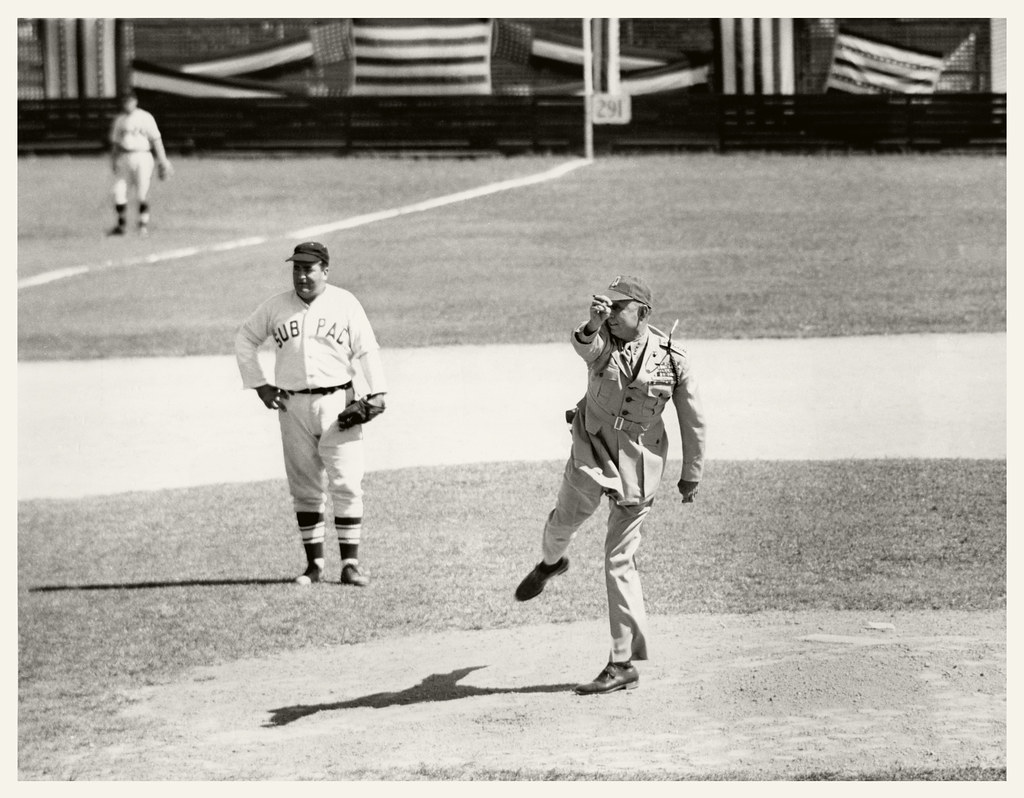
Game three was a statement for Sub Pac as they pounded the Marines, indicating that they belonged in the series and sending a message that they were not going to simply concede. The following day, Sub Pac downed Quantico in the third one-run-differential game of the series, 3-2, setting the stage for the deciding game. However, Quantico regrouped and placed an exclamation point onto the series with a baker’s dozen of runs while holding the submariners to six.[80]
- September 15, Quantico defeated Sub Pac, 5-4.[81]
- September 16, Quantico defeated Sub Pac, 6-5.[82]
- September 18, Sub Pac defeated Quantico, 10-4.[83]
- September 19, Sub Pac defeated Quantico 3-2.[84]
- September 20, Quantico defeated Sub Pac 13-6.[85]
A Baseball Life After the Navy for Four Sub Pacs
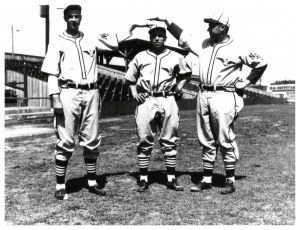
Dodger Hawaiian area scout Paul Taylor told local papers that the Brooklyn club had considerable interest in four of the Sub Pac players following their tournaments in San Diego and Quantico. Taylor stated that the scouts on the Pacific coast sent in “favorable reports” on outfielders Dayton Gates and Ray Pegram, pitcher Fred Carpen and first baseman, Bob Myers.[86] “When the Pearl Harbor team played in the All-Navy tournament recently in San Diego,” the Honolulu Star-Bulletin reported, “Charles T. Whelchel, west coast scout of the Dodgers, went to see the quartet in action.” Whelchel, a Navy veteran who played service baseball at Norfolk Naval Air Station in 1942 and 1943,[87] personally witnessed the caliber of talent the Navy could and did add to its baseball rosters. Despite having Whelchel’s report on the four players, Brooklyn’s director of scouting and promotions, Mickey McConnel, did not secure contracts with any of the Sub Pac players.[88]
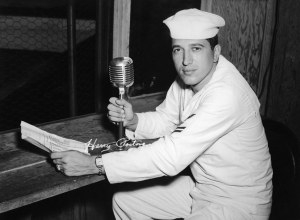
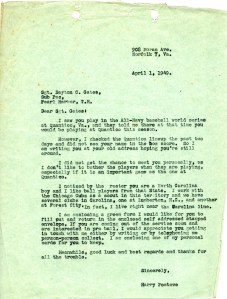
However, the Dodger scouts were not the only ones present at the mainland games that post-season. Major league scout Harry Postove, a Navy veteran who was a member of the Norfolk Naval Training Station (NTS) Bluejackets management team during the war, joined a cohort of major and minor league lookout men[89] at the All-Navy World Series to view the talent on both clubs. Postove dispatched a letter to Sub Pac center fielder Dayton Gates the following spring, seeking to establish contact to determine his availability and interest.[90] Ultimately, Gates signed a contract on November 25, 1949, with the Winston-Salem Cardinals of the Class “B” Carolina League and joined the club for 1950 spring training with 19-year-old future Baltimore Orioles manager, Earl Weaver. Unfortunately, Gates did not make the club roster and was released at the end of March. [91]
Sergeant Robert R. Myers, Jr., who played football in 1945 and baseball in 1946 for the Long Beach City College (LBCC) Vikings before joining the Marine Corps, was also signed to a professional contract, starting with the Oshkosh Giants of the Class “D” Wisconsin State League. Myers’ professional baseball career saw the Marine Corps veteran playing for five minor league seasons, ascending as high as class “A.”[92] A member of the New York Giants organization, the Marine Corps veteran spent his second season in organized baseball on the Class “B” Interstate League’s Trenton Giants along with 19-year-old Willie Mays. After his playing career ended, Bob Myers turned to coaching in the game. After coaching at the high school level, Myers began his career with his alma mater, first as an assistant coach beginning in 1970 before ascending to the head coach position in 1976. [93] The Vikings under Coach Myers were a successful team, winning their conference championship in his first season along with consecutive top-four finishes. Myers was inducted into the LBCC Hall of Champions.[94]
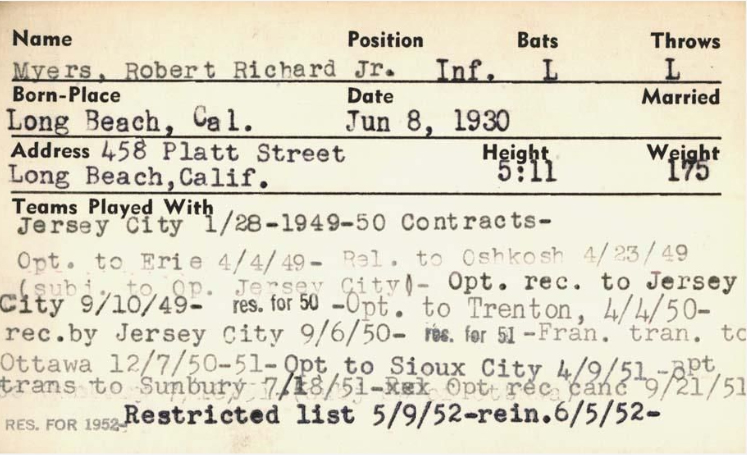
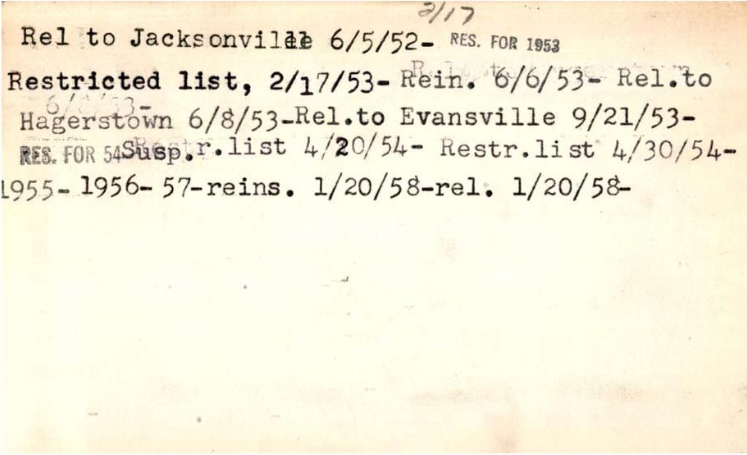
While both Gates and Myers were both on loan from the Marines for Sub Pac’s post-season run, two of the Sub Pac players who were on the roster from the beginning of the 1948 season, Ray Pegram[95] and Fred “Fritz” Carpen, also signed professional contracts. Carpen, discharged from the Navy four days after the loss to Quantico, signed with the New York Giants on October 1, 1948, and was subsequently assigned to Minneapolis. Carpen played from 1949 to 1950, spending time among three clubs: the Jacksonville Tars, Knoxville Smokes and Erie Sailors.[96]
Ray Stanley Pegram’s contract card revealed something a bit different from his teammates: it showed that he was a professional ballplayer before he joined the Navy. Born in Princeton, Indiana in 1927, Raymond Stanley Pegram played basketball and baseball for Princeton High School along with his older brother.[97] After high school, Pegram joined his brother on the Princeton Legion team in 1946 and was under contract with the St. Louis Browns,[98] but left to join the Navy that summer. After the 1948 All-Navy World Series in Quantico, Dodger scout Charles Whelchel noted in his report to the Brooklyn scouting director, “Pegram is 6 feet tall and scales 168 pounds. Right-handed, he is a rangy boy with ‘quick actions’. Throws well. Swings full. Pulls ball well.”[99] Instead of pursuing a professional career in the game, Pegram enrolled at the University of Indiana and played for the Hoosiers’ baseball team the next spring.[100]
The Williams Desertion Case
As Sub Pac was set to start the first game of the All-Navy World Series, the investigation into their detained star leftfielder,[101] Ray Williams, continued. At the outset, the charges seemed odd and as the case progressed, it only became more bizarre.
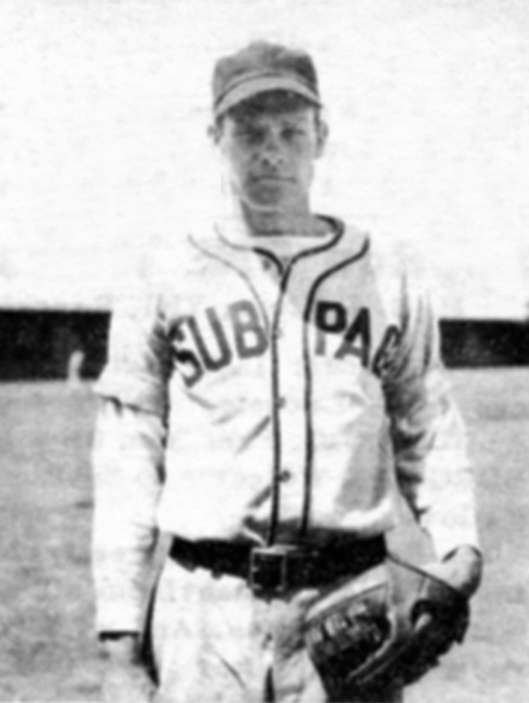
In mid-September, the Navy released confirmation that the baseball star known as Ray Williams and the sailor reported as a deserter in 1945, then Seaman First Class Louie B. Williams, were one in the same. Since he was declared a deserter in August, 1945, but was playing for the Sub Base team at least since the start the 1947 season, Navy officials were unable to account for Williams’ whereabouts since 1945 or if he had ever left the base since then. In accordance with procedure, Williams underwent psychiatric evaluation to determine if he was fit for trial. [102]
Louie B. Williams was born in Hutchins, Texas on November 26, 1924. He enlisted in the Navy on April 24, 1943, in Dallas.[103] After completing his training, Seaman Second Class Williams proceeded on orders to Pearl Harbor, Territory of Hawaii, departing from San Francisco aboard the USS Republic (AP-33) on July 21, 1943.[104] The following year, Williams was assigned by Submarine Division 44 to the submarine USS Sargo (SS-188) as part of her replacement crew days before she departed for her twelfth war patrol.[105] During her patrol, Sargo operated off the Bonin and Ryukyu Islands and she engaged two enemy trawlers with her deck gun.[106] According to available records, Williams was last reported aboard USS Sargo on July 1, 1945[107] before she sailed for Mare Island on August 27, her last time at sea.
It is reported that Williams played baseball for the Submarine Base nine in 1946[108] though his name does not appear in any Honolulu-area newspaper-published game summaries or box scores throughout the season. However, the absence of his name does not contradict the report as Navy baseball was lightly covered in the press that season.
Official reporting on Williams dwindled following the initial press activities as he remained in pre-trial confinement at the Navy brig before he was transferred to the Aiea Naval Hospital’s psychiatric ward. Questions remained unanswered regarding his whereabouts from the time he went missing and was declared a deserter. “No one knew exactly how Williams had done it,” press reports stated. Williams’ teammates claimed, “He was pretty much of a lone wolf,” suggesting that there was little interaction with the team members outside of baseball.[109]
Three months into 1949, Secretary of the Navy John L. Sullivan officially ordered Seaman Williams to be tried as a deserter, despite his verified ballplaying at the base from 1946 through his discovery as a reported deserter. On the eve of his springtime trial, it was reported that Williams told investigators that he had been “living in a dream” during the three years, though details about that time remained “very hazy.”[110]
Leading up to his early May scheduled court-martial, statements made by the accused were leaked to the press. During the span of 37 months as a declared deserter, Williams’ service and pay records were in the hands of officials in Washington, D.C., which prevented him from being paid. For room and board, the sailor survived by living on base and eating at the dining facility. However, Williams needed “spending money” and he told investors that he worked at bowling alleys as a pinsetter to fill that need. He also stated that his free time was spent reading and seeing movies. Despite his presence on the base where he was stationed, Navy officials stated that he never worked and was not subject to any orders from superiors and never sent or received any personal mail.[111]
“After I finished my nine months of war patrols, the Navy took me off my submarine,” Williams stated in late April. “From there, everything is hazy. I remember playing baseball for Navy teams, but it all seemed like a short time…ran together.” Williams was emphatic in his assertion, “But I didn’t desert. I liked the Navy.” Navy officials conceded that Williams was on the base and had played baseball since 1946 and that he received considerable publicity as one of the Navy’s stars “and was somewhat of an idol to baseball fans.”[112]
“I didn’t really wake up, I guess, until the time (when he was discovered) I suddenly got scared when someone mentioned orders (for travel to San Diego),” he told the press. “I hid for a couple days, and then turned myself in.” Williams’ general court-martial proceedings commenced on May 2, 1949.[113]
As the case was underway, Williams’ attorney, Lieutenant Commander Richard J. Selmon, attempted to get the case thrown out as an illegal proceeding, stating that the Secretary of the Navy improperly ordered Williams to be tried as a deserter in June, 1947, well before he was discovered on base, to circumvent the expiration of the statute of limitations.[114]
One of Commander Selmon’s witnesses, pitcher John Quattlebaum, testified that he saw a photo of Williams posted in Honolulu shore patrol headquarters in July, 1947. Quattlebaum stated that he reported this to the Sub Base team’s manager, Chief Gunner’s Mate John A. Sigmon. Chief Sigmon testified that when he confronted Williams with the desertion charge, Williams responded, “Why should I want to desert from the Navy? I am having too much fun playing baseball.” [115]
Williams’ defense proceeded in the trial as a succession of witnesses testified to his presence at the base dating back to 1945. Chief Electrician’s Mate Oscar Weeks, who served with Williams aboard the USS Sargo, testified that he had seen Williams monthly since late 1945. Weeks further testified that he witnessed Williams working at the Navy Supply Center, unloading supplies from a truck, leading him to assume that he worked there. Another witness, former sailor Albert Mitchell, who was stationed at the sub base from 1945 to 1946, testified that he saw Williams in uniform on base. During pitcher John Quattlebaum’s testimony, he stated that he had seen Williams every day during the baseball season in 1946, 1947, and 1948.[116] Regardless of the first day’s testimony, the case proceeded.
The prosecution’s witnesses had all given testimony regarding Williams’ service records, though one man stated that Williams had been assigned to the submarine base’s diving tank and that he did not report for duty. Other witnesses testified that they knew the defendant by different derivations of his name, “Willie, Louie, and Ray, while still others testified that they saw him working at the supply center.[117]
During the last of the ten days of the court-martial proceedings, Williams’ defense utilized prosecution testimony from Dr. Ira C. Nichols that his description of the accused’s mental state met the standards of “legal insanity,” effectively asserting an insanity plea.[118] Dr. Nichols, chief of the neuropsychiatric section at Tripler Army General Hospital, testified that Williams had a mental derangement and due to that, did not consider him responsible for his acts during the 37-month period. Dr. Nichols, who treated Williams daily from September, 1948, to March, 1949, stated that Williams was able to distinguish between right and wrong but that because of his derangement, he was probably unaware of the degree of right and wrong in his acts and that he was mentally incapable of acting regarding his situation.[119]
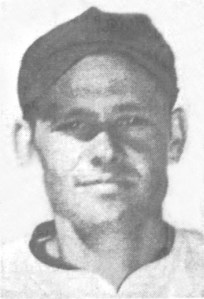
At the trial’s end, it was apparent that Williams was going to be found guilty as the court awaited the findings being reviewed by Rear Admiral Charles H. McMorris, commandant of the 14th Naval District. On May 11, the former star of the 14th Naval District champion baseball team was indeed found guilty, though to which specifications the public was not informed as Admiral McMorris was still reviewing the case over a week later. Since it was established through evidence and testimony that Williams was at Pearl Harbor since his last muster in June, 1945, doubts still surrounded the case.[120]
Honolulu attorney Hyman M. Greenstein submitted a petition for a writ of habeas corpus on Williams’ behalf stating that the court-martial was “merely a rubber-stamp proceeding.” Greenstein’s petition further stated that Williams’ continued detention in the Pearl Harbor brig is “without color of law” and described the trial as a “mere sham and mockery.” The writ petition contended that Williams was denied his right to a speedy trial by the Navy in that he was not court-martialed until three years and nine months after the alleged offense was committed and that because of the military relationship to the Navy secretary, the court did not attempt to rule independently. Effectively, Greenstein stated that the court findings were predetermined to find Williams “guilty of something.”[121]
As if Williams’ case was not odd enough, it was announced in June that the sailor was found guilty of the lesser charge of unauthorized absence and that sentencing was delayed until federal judge J. Frank McLaughlin made a ruling on the habeas corpus case.[122]
On June 10, Judge McLaughlin denied the habeas corpus writ and sided with the court findings that Williams was guilty of unauthorized absence. However, the case was still ongoing as, quite strangely, no sentence for the convicted sailor had been decided.[123]
Ultimately, Williams was sentenced to two years’ confinement and a dishonorable discharge. The sentence was subsequently reduced, removing further confinement, leaving the dishonorable discharge in play. However, it appears that the Navy found a way out of the mess created by the Williams case as his conviction was reviewed by the Navy’s clemency board four months later in October. The clemency board recommended to the Secretary of the Navy, Francis P. Matthews, who had been in the role since late May, that the conviction be set aside.[124] On October 28, Secretary Matthews sided with the clemency board and set aside Williams’ conviction, citing a lack of evidence in the case.[125]
With Williams restored to full duty, the Navy was left to determine if and how much backpay he was due as it was determined in the case that he had been serving on base since June, 1945, though not at the diving tank as ordered. On November 7, Navy officials announced that a decision had been made to discharge Williams within a matter of days “for the convenience of the government.”[126] Williams was discharged from the Navy on November 16, 1949,[127] bringing an end to one of the most bizarre stories in military baseball history.
Postscript
Details of Louie B. Williams’ life after his discharge from the Navy are unknown, though he returned to his home state of Texas, passing away on January 8, 1989, at the age of 64.[128]
Quattlebaum Brothers
Baseball factored significantly in the early Navy careers of both Quattlebaum brothers. With the war behind them, the siblings continued to serve in the Navy. Older brother Lanie completed 20 years of naval service, retiring in 1954. Forty years old and two years from retirement, John Quattlebaum joined a team of Navy old-timers for a game against the Pearl Harbor Sub Pac “Raiders” on June 2, 1960, at Millican Field, helping his club to a 6-inning, 6-6 tie.[129] John completed 20 years of service, retiring on May 31, 1962.
The Final Dive for Sub Pac
The 1949 team reached the pinnacle of Navy baseball success as John Quattlebaum helped to pitch the team to the All-Navy Baseball World Series championship over the defending champs, the Quantico Marines. Twenty-five years later (1974), as the World Champion Sub Pac team members convened for a reunion and to commemorate their title, the Navy announced the end of baseball for the Submarine Base. With the proliferation of nuclear-powered boats and the changes in deployment schedules from those of diesel-electric boats, making it impossible to consistently field a team during a season, the incredible Sub Pac legacy concluded. On hand for the 25-year reunion, John Quattlebaum and his backstop, Bob Petinak, who both played on the 1948 club, joined a dozen 1949 teammates for the festivities.
It is hard to fathom that such a collection of stories could be uncovered from an innocuous abbreviation of four words and a year inscribed onto the side of a diminutive piece of polished brass. The research surrounding this artifact revealed a trove of subsequent stories connected to other artifacts in our collection that will be told on Chevrons and Diamonds in the future.
Related content:
[1] M. Shawn Hennessy, “’Dutch’ Raffeis: The Navy’s Own Flying Dutchman (https://studiogaryc.com/2023/03/10/dutch-raffeis/),” Infinite Baseball Card Set, March 10, 2023 (accessed September 29, 2023).
[2] “Subron Four Wins Sector Navy Title,” The Honolulu Advertiser, August 8, 1935: p.11.
[3] Obituary for Mario “Mike” R. Cerillo,” The Honolulu Advertiser, June 22, 1997: p. 22.
[4] Harry M. Kieve, “Give Dope on Navy Players,” Honolulu Star-Bulletin, August 27, 1935: p.10-11.
[5] “USS Solace March 15, 1942,” Navy Muster Rolls – Ancestry.com, accessed October 29, 2023.
[6] “Orange Man Succumbs in Naval Hospital,” The News and Observer (Raleigh, North Carolina), November 26, 1943: p.8.
[7] There are two USS Oklahoma sailors with the corresponding surname of Knight: Sea1/c George S Knight and SM3/c Francis W. Knight. Both sailors survived the December 7, 1941, attack and sinking of the ship.
[8] At the time of publishing, we were unable to determine the identity of Matthews as there are two USS Oklahoma sailors with the corresponding surname of Matthews: f1/c George W Matthews Jr. and Sea1/c James E. Matthews. Both sailors survived the December 7, 1941, attack and sinking of the ship. Following publication of this story, “Matty” or “Lefty” Matthews was confirmed to be George W. Matthews, Junior. “Matty” was the star pitcher for the 1939 Pacific Fleet champion USS Oklahoma Indians team.
[9] “SUBRON Four Captures U.S. Fleet Championship,” The Honolulu Advertiser, November 28, 1941: p.12
[10] Ibid.
[11] Ibid.
[12] James Richard Ward (https://www.cmohs.org/recipients/james-r-ward), Congressional Medal of Honor Society (accessed October 17, 2023).
[13] Bedingfield Gary. 2021. “Baseball in Hawaii during World War II:” Baseball in Wartime Publishing.
[14] “Lou Tost is Named Player of the Week,” The Honolulu Advertiser, September 23, 1945: p. 26.
[15] “Sub Base to Meet Klippers on Wed.,” Honolulu Star-Bulletin, August 27, 1946: p.13.
[16] Fred Geigle, “FMF PAC Sideline,” Honolulu Star-Bulletin, August 31, 1946: p.32.
[17] K. S. Vandergrift, “Schofield Red Dust,” The Honolulu Advertiser, September 6, 1946: p. 13.
[18] “Kaulukukui Voted Most Valuable,” Honolulu Advertiser, August 21, 1947: p.15.
[19] Don Collett, “Sub Base Nine Wins Navy Title,” Honolulu Star-Bulletin, August 25, 1948: p.14.
[20] Don Collett, “San Diego Captures Navy Pacific Fleet, Area Title,” Honolulu Star-Bulletin, September 6, 1948: p.27.
[21] “Navy Title Series To Open Today,” The Honolulu Advertiser, August 5, 1947: p.9.
[22] “Sub Basers Beat FMF Marines, 5-3,” The Honolulu Advertiser, August 6, 1947: p.13.
[23] “Sub Base Wins Second Game from Fleet Marines, 13-1,” The Honolulu Advertiser, August 7, 1947: p.15.
[24] “Sub Base In Third Victor,” The Honolulu Advertiser, August 8, 1947: p.15.
[25] Don Collett, “Army-Navy Championship Series Under Way Tonight at Stadium,” Honolulu Star-Bulletin, August 12, 1947: p.19.
[26] Don Collett, “Navy Tops Army in First of Title Series,” Honolulu Star-Bulletin, August 13, 1947: p.18.
[27] Don Collett, “Army-Navy Series Even; 3rd Game Slated Today at PH,” Honolulu Star-Bulletin, August 14, 1947: p.24.
[28] Tom Hopkins, “Army Takes 2-1 Series Lead Over Navy Nine,” The Honolulu Advertiser, August 15, 1947: p.14.
[29] Box Score, The Honolulu Advertiser, August 16, 1947: p.9.
[30] Tom Hopkins, “Army Cops Service Baseball Title,” The Honolulu Advertiser, August 17, 1947: p.17.
[31] “Manning Cops Batting Title With .429 Mark,” The Honolulu Advertiser, August 21, 1947: p.15.
[32] Don Collett, “Sub Base Wins Over Task Fleet in 1st Title Game,” Honolulu Star-Bulletin, August 22, 1947: p.22.
[33] “Task Fleet Evens Up Ball Series,” Honolulu Star-Bulletin, August 23, 1947: p.19.
[34] Don Collett, “Sub Base Nine Wins Navy Title,” Honolulu Star-Bulletin, August 25, 1947: p.14.
[35] Don Collett, “Guam Loses to Sub Base Team, 5-3,” The Honolulu Advertiser, August 28, 1947: p.11.
[36] Don Collett, “Sub Base Team Defeated, 5-4,” Honolulu Star-Bulletin, August 29, 1947: p.13.
[37] Don Collett, “San Diego Takes Lead in Navy Play,” Honolulu Star-Bulletin, August 29, 1947: p.15.
[38] Don Collett, “Guam Edged By 4 to 3 Count,” Honolulu Star-Bulletin, August 30, 1947: p.17.
[39] Don Collett, “Ray Grant Hurls Guam to 2-0 Win,” The Honolulu Advertiser, August 31, 1947: p.17.
[40] Don Collett, “Sub Base Wins 15 Inning Ball Thriller,” Honolulu Star-Bulletin, September 1, 1947: p.15.
[41] Don Collett, “3 Way Tie in Navy Ball Series,” Honolulu Star-Bulletin, September 2, 1947: p.11.
[42] Don Collett, “Errors Cost Guam Victory in Ball Tilt,” Honolulu Star-Bulletin, September 3, 1947: p.11.
[43] Don Collett, “San Diego Nine Trumps Sub Base 6-3,” The Honolulu Advertiser, September 4, 1947: p.15.
[44] Don Collett, “San Diego Captures Navy Pacific Fleet, Area Title,” Honolulu Star-Bulletin, September 6, 1947: p.27.
[45] Carl Machado, “Sub-Pac Nine Gunning for Title,” Honolulu Star-Bulletin, March 27, 1948: p.30.
[46] Patrol (U.S. Naval Submarine Base, Pearl Harbor) July 22, 1948: p.4.
[47] Patrol (U.S. Naval Submarine Base, Pearl Harbor) July 22, 1948: p.4,6.
[48] Patrol (U.S. Naval Submarine Base, Pearl Harbor) July 15, 1948: p.5.
[49] Patrol (U.S. Naval Submarine Base, Pearl Harbor) May 15, 1948: p.1.
[50] Patrol (U.S. Naval Submarine Base, Pearl Harbor) July 24, 1948: p.5.
[51] Patrol (U.S. Naval Submarine Base, Pearl Harbor) July 24, 1948: p.5.
[52] Patrol (U.S. Naval Submarine Base, Pearl Harbor) June 26, 1948: p.5.
[53] Patrol (U.S. Naval Submarine Base, Pearl Harbor) June 26, 1948: p.5.
[54] Patrol (U.S. Naval Submarine Base, Pearl Harbor) June 26, 1948: p.5.
[55] Patrol (U.S. Naval Submarine Base, Pearl Harbor) June 26, 1948: p.5.
[56] Carl Machado.
[57] “Service Baseball Star Listed as Deserter,” The Los Angeles Times, September 16, 1948: p.53.
[58] Don Collett, “Sub-Pac, Marines Open Titular Series Today,” Honolulu Star-Bulletin, August 2, 1948: p.15.
[59] Don Collett, “San Diego Nine Trumps Sub Base, 6-3,” The Honolulu Advertiser, September 4, 1947: p. 15.
[60] Don Collett, “Sub Pac, Kaneohe Nines to Clash,” Honolulu Star-Bulletin, June 31, 1948: p.18
[61] Don Collett, “Sub Pac, Marines in Navy Finals,” Honolulu Star-Bulletin, August 1, 1948: p.17.
[62] Don Collett, “Marines Seek 2nd Win Over Sub Pac Nine,” Honolulu Star-Bulletin, August 3, 1948: p.19.
[63] Don Collett, “Quattlebaum Hurls Tw-Hit Victory,” Honolulu Star-Bulletin, August 7, 1948: p.8.
[64] Don Collett, “Marine Nine Loses, 11-3, before 4,500,” Honolulu Star-Bulletin, August 9, 1948: p.13.
[65] Tom Hopkins, “Grove Beats Army Nine On One Hit,” Honolulu Advertiser, August 10, 1948: p.11.
[66] Tom Hopkins, “Carpen Hurls 7-5 Victory Before 4,500,” Honolulu Advertiser, August 11, 1948: p.11.
[67] Tom Hopkins, “Teams Clash Tonight in Fourth Game,” Honolulu Advertiser, August 12, 1948: p.18.
[68] Don Collett, “Navy Wins Inter-Service Crown,” Honolulu Star-Bulletin, August 13, 1948, p.18.
[69] “P. H. Diamond Star May Be Deserter,” Honolulu Star-Bulletin, August 18, 1948: p.1.
[70] Ibid.
[71] “Transfer May Trap Navy Man as Deserter,” Honolulu Star-Bulletin, August 21, 1948: p.5.
[72] Ibid.
[73] “Pendleton Tops China,” Oakland Tribune, August 25, 1948: p.29
[74] “Sub Base Wins 1st Game in Navy Tourney,” Honolulu Star-Bulletin, August 25, 1948: p.21.
[75] “P.H. Sub Base Team Triumphs,” Hawaii Tribune-Herald (Hilo), August 25, 1948: p.9.
[76] “P.H. Tossers In Title Game,” Hawaii Tribune-Herald, August 26, 1948: p.9.
[77] Ibid.
[78] Don Collett, “Sub Pac Cops Pacific Area Championship,” Honolulu Advertiser, August 31, 1948: p.13.
[79] “Slate ‘Series,’” The Salt Lake Tribune, September 12, 1948: p.20.
[80] Don Collett, “Sub Pac Nine Back From Trip,” The Honolulu Advertiser, October 14, 1948: p.23
[81] “Marines Win Opener,” The Sacramento Bee, September 16, 1948: p.37.
[82] “Marines Score, 6-5,” Daily Press (Newport News, VA), September 15, 1948: p.8
[83] “Quantico Loses in Tourney,” Richmond Times-Dispatch, September 19, 1948: p.36.
[84] “Quantico Tilt Deciding Navy Baseball Title,” Evening Star (Washington, D.C.), September 20, 1948
[85] “Sub Pac Loses,” The Honolulu Advertiser, September 21, 1948: p.11.
[86] Joe Anzivino, “4 Sub Base Players Sought By Dodgers,” Honolulu Star-Bulletin, September 25, 1948: p.28.
[87] M.Shawn Hennessy, “Surplus Middle Infielder: Pee Wee Reese Flies High in the Navy (https://chevronsanddiamonds.wordpress.com/2021/07/05/surplus-middle-infielder-pee-wee-reese-flies-high-in-the-navy/),” Chevrons and Diamonds: July 5, 2021 (accessed November 6, 2023).
[88] Ibid.
[89] Don Collett, “Big League Bids For Sub Pac Players,” Honolulu Star-Bulletin, October 12, 1948: p.17.
[90] Harry Postove, April 1, 1949, letter to Dayton Gates, Harry Postove Correspondence and Scouting Reports Archive, Chevrons and Diamonds Collection.
[91] Dayton Clayborn Gates, The Sporting News Baseball Players Contract Cards Collection, accessed October 27, 2023.
[92] Robert Richard Myers, Jr., The Sporting News Baseball Players Contract Cards Collection, accessed October 27, 2023.
[93] “Passing of Former Hall of Champions Inductee and Baseball Coach, Bob Myers,” Long Beach City College website (https://www.lbccvikings.com/sports/bsb/2022-23/releases/20230525np0h7m), accessed October 28, 2023.
[94] “Bob Myers Hall of Champions,” LBCC Hall of Champions (https://www.lbccvikings.com/hallofchampions/2005/myers_bob), accessed October 28, 2023.
[95] Ray Pegram, The Sporting News Baseball Players Contract Cards Collection, accessed October 27, 2023.
[96] Frederick Carpen, The Sporting News Baseball Players Contract Cards Collection, accessed October 27, 2023.
[97] “Tiger Baseball Team Defeated at Washington, Princeton Daily Clarion (Princeton, IN), May 13, 1943: p.5.
[98] “Radios Lose to Princeton Legion Team Sunday, 5-0,” Daily Republican-Register (Princeton, IN) June 3, 1946: p.6.
[99] [99] Joe Anzivino, “4 Sub Base Players Sought By Dodgers,” Honolulu Star-Bulletin, September 25, 1948: p.28.
[100] Bill Robertson, “The Inside Corner,” Evansville Press, April 8, 1950: p.6.
[101] “Service Baseball Star Listed as Deserter,” The Los Angeles Times, September 16, 1948: p.53.
[102] “Navy Baseball Star Disclosed as Same Man Who Deserted in 1945,” Honolulu Star-Bulletin, September 15, 1948: p.14.
[103] “USS Sargo (SS-188) July 21, 1943,” Navy Muster Rolls – Ancestry.com, accessed October 29, 2023.
[104] Ibid.
[105] “USS Sargo (SS-188) October 13, 1944,” Navy Muster Rolls – Ancestry.com, accessed October 29, 2023.
[106] “USS Sargo (SS-188) Chronology of tonnage sunk & damaged” (https://www.pigboats.com/ww2/sargo.html), Pigboats.com, accessed October 29, 2023.
[107] “USS Sargo (SS-188) July 1, 1945,” Navy Muster Rolls – Ancestry.com, accessed October 29, 2023.
[108] Buck Buchwach, “Sailor Who ‘Hid’ in P.H. 3 Years to Be Tried for Desertion,” The Honolulu Advertiser, April 10, 1949: p.1.
[109] “Service Baseball Star Listed as Deserter,” The Los Angeles Times, September 16, 1948: p.53.
[110] Buck Buchwach, “Sailor Who ‘Hid’ in P.H. 3 Years to be Tried for Desertion,” The Honolulu Advertiser, April 10, 1949: p.1.
[111] Ibid.
[112] “’Willie’ To Be Tried Monday as Deserter,” The Honolulu Advertiser, April 30, 1949: p.3.
[113] Ibid.
[114] “Defense Counsel Asks Alleged Navy Deserter’s Trial Be Outlawed,” Honolulu Star-Bulletin, May 3, 1949: p.10.
[115] Ibid.
[116] Ibid.
[117] “Navy to Introduce More Witnesses At Alleged Deserter’s Trial Today,” Honolulu Star-Bulletin, May 6, 1949: p.16.
[118] “Navy Man’s Trial Ends; Conviction Indicated by Courtmartial Silence,” Honolulu Star-Bulletin, May 12, 1949: p.6.
[119] “Williams Trial May End Today,” The Honolulu Advertiser, May 11, 1949: p.9.
[120] “Habeas Corpus Writ Sought for Williams,” Honolulu Star-Bulletin, May 18, 1949: p.1.
[121] Ibid.
[122] “Williams Habeas Corpus Case Ruling Taken Under Advisement by Judge,” Honolulu Star-Bulletin, June 3, 1949: p.6.
[123] “Habeas Corpus Write Denied in Navy Man’s Case,” Honolulu Star-Bulletin, June 11, 1949: p.32.
[124] “Clemency Recommended for AWOL Ballplayer-Sailor,” Honolulu Star-Bulletin, June 19, 1949: p.1.
[125] “Louie B. Williams’ Sentence Lifted; Back to Full Duty,” Honolulu Star-Bulletin, June 28, 1949: p.1.
[126] “AWOL Ball Player-GOB Williams About to Be Divorced From Navy,” Honolulu Star-Bulletin, November 7, 1949: p.6.
[127] Louie B. Williams, “Beneficiary Identification and Records Locator Subsystem (BIRLS) File,” Ancestry.com, accessed October 30, 2023.
[129] “Navy Oldtimers Deadlock SubPac,” Honolulu Star-Bulletin, June 3, 1960: p.26.


 Chevrons and Diamonds
Leave a comment